

India
India
Sri Sathya Sai Institute of Higher Learning
Abstract: Scalable Breath Figure–Engineered Periodic Silver Nanostructures on Polymeric
Substrates for Ultrasensitive and Reusable SERS Biosensing
Surface-Enhanced Raman Scattering (SERS) has emerged as a promising next
generation biosensing technology due to its molecular specificity and ultrahigh sensitivity.
However, the practical translation of SERS into real-world biosensing platforms remains
constrained by expensive fabrication routes, limited scalability, and poor reusability of
conventional substrates. In this work, we report a scalable, low-cost, and reusable photonic
plasmonic biosensing platform fabricated via the breath figure (BF) self-assembly approach,
addressing key challenges in the development of future biosensors.
The BF method enables the formation of large-area, highly ordered periodic polymeric
architectures that act as templates for the controlled confinement of silver nanostructures,
thereby generating dense electromagnetic hotspots essential for ultrasensitive detection. Both
in-situ chemical reduction and ex-situ plasma-assisted infiltration strategies were employed to
precisely engineer nanoparticle distribution and interfacial coupling, achieving femtomolar
level detection limits (down to 0.1 fM) for model analytes. The resulting platforms exhibit
excellent spectral resolution, high analytical enhancement factors (~107), and outstanding
batch-to-batch reproducibility (RSD ~4.2%), fulfilling critical requirements for next
generation sensing technologies.
Importantly, TiO2-assisted photocatalytic regeneration enables efficient analyte removal and
signal recovery exceeding 93% over multiple reuse cycles, highlighting the platform’s
sustainability and long-term operational stability. Interfacial charge-transfer mechanisms
revealed through XPS analysis further underline the intelligent material design contributing to
sensor regeneration. Successful detection in complex real samples demonstrates the platform’s
applicability beyond laboratory conditions.
Overall, this work presents a future-ready SERS biosensing architecture that integrates
scalability, reusability, and ultrasensitivity within a single material system. The approach offers
a viable pathway toward next-generation, field-deployable biosensors for environmental
monitoring, biomedical diagnostics, and point-of-care analytical technologies.

France
France
University Claude Bernard Lyon
Abstract: Advances in Point-of-Care Technologies for Biomedical Applications
The incorporation of functionalized and modified micro- and nanostructures into biomedical applications has sparked significant research interest in recent years. Micro- and nanotechnology's potential in medicine and biomedical engineering is vast, encompassing areas such as implant and tissue engineering, as well as diagnosis and therapy. The current landscape demands the design of micro- and nanodevices that can effectively address biological challenges, leading to more efficient biomedical solutions. This presentation will focus on recent advancements in point-of-care (POC) systems developed within various European projects for handling and quantitative analysis. Specifically, the Hearten and KardiaTool projects aim to diagnose and monitor heart failure in patients by analyzing breath and saliva samples, enhancing analysis speed and efficiency while reducing sample and reagent consumption. These devices are capable of performing tasks such as sample pretreatment, separation, dilution, mixing, chemical reactions, detection, and product extraction. The entire analysis process can be fully automated, minimizing human involvement, preventing contamination, and ensuring repeatable experiments. Additionally, this presentation will address the challenges of scaling up POC devices, covering: (i) the fabrication of sensors and microfluidic devices, (ii) sensor functionalization to improve performance and capabilities, (iii) integration of existing detection techniques into the POC platform, and (iv) the development of quantitative readout extraction via handheld devices.

Portugal
Portugal
Institute of Advanced Technologies
Abstract: From Biological Signals to Intelligent Decisions: AI and Machine Learning in Biosensors
The integration of Artificial Intelligence (AI) and Machine Learning (ML) into biosensor
systems is redefining how biological signals are acquired, interpreted, and transformed into
actionable information. Biosensors play a crucial role in modern applications such as
healthcare diagnostics, environmental monitoring, food safety, and wearable technologies.
However, conventional biosensing approaches often face limitations related to signal noise,
variability of biological samples, limited sensitivity, and difficulties in real-time
interpretation. The rapid growth of AI and ML offers powerful solutions to these challenges,
enabling biosensors to evolve from passive detection devices into intelligent, adaptive, and
data-driven systems.
The motivation for this presentation arises from the increasing availability of complex
biosensor data and the pressing need for computational methods capable of extracting
meaningful patterns from heterogeneous and high-dimensional signals. Biological data are
inherently noisy and context-dependent, making traditional analytical techniques
insufficient for robust decision-making. AI-based approaches, particularly machine learning
and deep learning models, provide the capability to learn from data, identify subtle
correlations, and continuously improve performance as new data become available. This
paradigm shift is essential for advancing biosensors toward higher accuracy, autonomy, and
scalability.
This talk presents a structured AI-driven framework for biosensor data analysis and system
enhancement. The proposed approach begins with data preprocessing techniques designed
to handle noise, missing values, and signal variability commonly found in biosensor
measurements. Feature extraction and selection methods are then applied to identify the
most informative characteristics of biological signals. Supervised and unsupervised machine
learning models are employed to perform classification, regression, and anomaly detection
tasks, while deep learning architectures are explored for complex pattern recognition and
time-series analysis. Emphasis is placed on model validation, performance evaluation, and
computational efficiency to ensure real-world applicability.
Key insights from recent studies and applied scenarios demonstrate that AI-enhanced
biosensors achieve significant improvements in sensitivity, specificity, and robustness
compared to traditional systems. Examples include more accurate detection of biomarkers,
improved monitoring of physiological parameters in wearable devices, and enhanced
predictive capabilities in dynamic environments. Additionally, AI techniques contribute to
intelligent biosensor design by supporting optimization processes, adaptive calibration, and
predictive modeling of sensor behavior under varying conditions. Beyond technical
performance, the presentation addresses critical challenges associated with the adoption of
AI in biosensing. These include data quality and availability, model interpretability, ethical
considerations, and integration with existing clinical and industrial workflows. Strategies for
explainable AI, standardized data pipelines, and interdisciplinary collaboration are discussed
as essential components for responsible and sustainable deployment.
In conclusion, the convergence of AI, ML, and biosensor technologies represents a
transformative step toward intelligent sensing systems capable of supporting timely,
accurate, and autonomous decision-making. By bridging computer engineering, data science,
and biosensor technology, this work highlights how AI can act as a catalyst for innovation,
accelerating the development of next-generation biosensors with meaningful impact across
scientific, industrial, and societal domains.
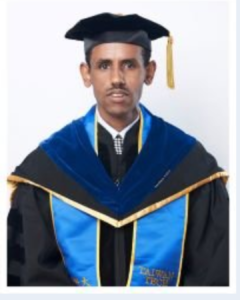
Ethiopia
Ethiopia
Ethiopian Police University
Abstract: Carbon quantum dots (CQDs) in forensic investigations: a review of current
applications and future perspectives
The advent of Carbon Quantum Dots (CQDs) has introduced transformative possibilities
in forensic science, addressing longstanding challenges in the detection, analysis, and
preservation of trace evidence. This review comprehensively examines CQDs,
highlighting their synthesis methodologies, unique physicochemical properties, and
diverse applications in forensic investigations. Emphasizing green, scalable, and cost
effective synthesis routes, the review explores CQDs' tunable fluorescence, exceptional
optical characteristics, and biocompatibility, which contribute to their superior
performance in forensic contexts. Specifically, CQDs have shown significant promise in
areas such as crime scene analysis, fingerprint enhancement, drug identification, and
toxicology, offering enhanced sensitivity, specificity, and precision in evidence detection.
Despite their potential, the integration of CQDs into forensic workflows faces hurdles
related to reproducibility, standardization, and regulatory compliance. Moreover, the
convergence of CQDs with cutting-edge technologies like artificial intelligence and
computational simulations presents an exciting frontier for advancing forensic
methodologies, minimizing human error, and ensuring high throughput and accuracy in
investigative processes. This review not only underscores the potential of CQDs to
revolutionize forensic science but also identifies key challenges and proposes future
directions for research, focusing on refining CQD-based applications and fostering
seamless integration into forensic protocols. In summary, CQDs represent a promising
and versatile toolset for the future of forensic investigations, driving significant
improvements in analytical precision and efficiency.
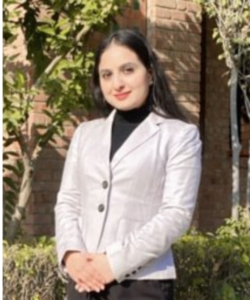
India
India
Sharda University
Abstract:
Climate-smart agriculture (CSA) emphasizes sustainable practices that enhance productivity, resilience, and environmental stewardship in the face of climate change. A critical enabler of CSA is the integration of advanced sensing technologies, particularly biosensors, which provide real-time, precise, and cost-effective monitoring of agricultural systems. Biosensors—analytical devices that couple biological recognition elements with transducers—offer unique advantages in detecting soil nutrients, water quality, plant health, and greenhouse gas emissions. Their application in agriculture enables farmers to optimize resource use, reduce input waste, and mitigate environmental impacts. For instance, soil nutrient biosensors can guide site-specific fertilizer application, while plant stress biosensors detect early physiological changes caused by drought, salinity, or pathogen attack, allowing timely interventions. Additionally, biosensors for methane and nitrous oxide monitoring contribute to quantifying and reducing agricultural emissions, aligning with global climate goals. Recent advances in nanotechnology, microfluidics, and wireless communication have further enhanced biosensor sensitivity, portability, and integration into digital farming platforms. When combined with data analytics and IoT-based decision support systems, biosensors create a feedback loop that empowers farmers with actionable insights, fostering resilience against climate variability. Despite challenges such as scalability, cost, and durability under field conditions, biosensors represent a transformative tool for achieving sustainable intensification and climate-smart outcomes. In conclusion, the biosensors play a pivotal role in bridging biological processes with precision agriculture, underscoring their potential to revolutionize monitoring, management, and sustainability in modern farming systems.
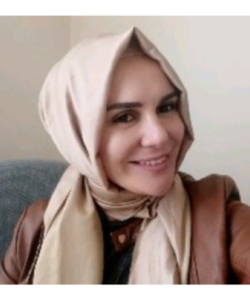
Türkiye
Türkiye
Bandırma Onyedi Eylül University
Abstract :
Campylobacter jejuni can be easily transmitted through contaminated milk, leading to foodborne gastroenteritis. This study compares the sensitivity of a novel, label-free, turn-on DNA sensor designed for field applications with that of polymerase chain reaction (PCR) for detecting C. jejuni cells in milk. The fluorescence-based sensor was constructed using carboxylated carbon dots (CDs) conjugated with a single-stranded DNA (ssDNA) probe. When minimal hybridization with the target bacterial DNA, fluorescence intensity is restored, enabling sensitive and selective quantification. The sensor was optimized to achieve the lowest detection limit (LOD) by determining the DNA concentration required for C. jejuni detection. A comparative analysis with PCR confirmed that the sensor achieved an LOD of 18.1 × 10⁻¹¹ mol L⁻¹ (14 CFU mL⁻¹), significantly surpassing the detection limit of the PCR method. Furthermore, a simplified, field-adapted DNA isolation protocol was developed and validated against commercial extraction kits, reducing processing time by 70% and costs by sevenfold. The sensor also demonstrated high specificity, with negligible cross-reactivity toward non target bacterial DNA. These findings underscore the potential of the developed sensor for real time, on-site pathogen detection, paving the way for enhanced food safety monitoring.

Australia
Australia
University of Canberra
Background and Motivation:
Monitoring the functional health of older adults living independently in the community presents a significant biosensing challenge. Conventional clinical assessment is episodic and retrospective, relying on scheduled visits to evaluate wellbeing. This limits the ability to detect subtle but clinically meaningful changes in mobility, sleep, and daily routine, the earliest behavioural biomarkers of functional decline. This gap is particularly acute in regional and rural settings, where workforce constraints and geographic dispersion further reduce care visibility. Compounding this challenge, older adults frequently under-report symptoms due to fear of losing independence, further reducing opportunities for early clinical detection. There is a compelling need for continuous, passive biosensing solutions that capture real-world health signals without increasing burden on users, caregivers, or overstretched care systems.
Biosensing System Architecture:
Homeara+ is a smart ambient biosensing platform deployed in the homes of community-dwelling older adults in regional Australia. The system integrates a wireless network of passive environmental sensors, including passive infrared (PIR) motion detectors, door contact sensors, and environmental monitors to continuously capture behavioural biomarkers of daily living. Unlike wearable biosensors, Homeara+ requires no active user engagement: the sensor array operates unobtrusively within the existing home environment, generating high-frequency longitudinal data streams that reflect real-world patterns of mobility, activity, and sleep. This design makes the system particularly suited to populations who may not tolerate or sustain engagement with body- worn sensing devices.
Machine Learning and Behavioural Signal Analytics:
Raw sensor data are processed through a machine learning pipeline designed to extract and analyse individual behavioural patterns over time. The analytical framework identifies personalised baseline behavioural signatures and detects statistically meaningful deviations that may indicate changes in functional health status. Rather than generating discrete real-time alerts, the system applies retrospective pattern recognition to characterise gradual shifts, such as changes in sleeponset timing, reduced kitchen activity, or altered mobility trajectories across the home. This approach aligns with emerging paradigms in AI-enabled, data-driven biosensing, where clinical value derives not from isolated point-of-care measurements but from longitudinal behavioural signal analytics applied at the individual level.
Real-World Deployment and Implementation Findings:
Supported by ARIIA funding, this study deployed Homeara+ across multiple regional Australian households in partnership with community aged care providers and academic collaborators from the University of the Sunshine Coast and the University of California Davis Betty Irene Moore School of Nursing. Findings from real-world deployment highlight multi-level contextual factors, spanning policy, funding, service delivery, workforce capacity, and individual digital literacy that shape the translation of ambient biosensing technology into routine care practice. In response, the project developed a suite of open-access educational resources to support informed engagement with the technology across older adults, family caregivers, clinicians, and service providers.
Conclusion:
Homeara+ demonstrates that smart ambient biosensing, combined with machine learning-driven behavioural analytics, offers a viable and scalable pathway to continuous, non-intrusive functional health monitoring for older adults. This work advances the application of next-generation biosensing technologies in healthcare and personalised medicine, with implications for AI-enabled care models in community settings globally. It further contributes a real-world implementation perspective to the growing body of evidence on how ambient biosensing systems can be meaningfully embedded within complex health and social care environments.

benin
benin
University of Abomey-Calavi
Abstract : Which Medicine, for Which Pathology, for the Quality and Equity of Patients’ Health in Africa?
The use of neo-traditional remedies has experienced renewed interest in recent years due to a number of sociocultural, demographic, and historical factors. This practice remains highly prevalent in Cotonou (Benin) despite the availability of low-cost pharmaceutical medicines. It is within this context that the present study was conducted to examine the issue of reliance on neo-traditional remedies, focusing on the typology of actors involved and the diversity of underlying motivations and practices.
The research employed qualitative investigation methods, including documentary research, field immersion, and semi-structured interviews. The study was carried out from May to December 2020. Testimonies were collected from 82 participants with diverse profiles, including healthcare providers, consumers of neo-traditional remedies, and institutional stakeholders.
Today, neo-traditional remedies stand at the crossroads of multiple challenges concerning disease treatment modalities. In this regard, a transfer of sociocultural references can be observed through the practices of various actors. The findings enabled the mapping of practitioners of “traditional” medicine and provided a better understanding of a variety of “new” diseases within different disease categories, whose treatment relies on mechanisms of knowledge transmission. Furthermore, in Cotonou, there is a notable preservation and adaptation of cultural logics and practices among the actors involved.

Taiwan
Taiwan
Ming Chung University
Abstract: Preliminary Evidence of Circadian Rhythms in the Twelve Meridians and Acupoints Verified with Optical Sensors.
This study explored circadian variations in meridian-associated skin temperature using infrared thermal imaging (IRTI). During a 24-hour monitoring period, two-hour intervals corresponding to the predicted peak activity times of the twelve meridians, according to the Ziwu Liuzhu theory, were selected for detailed analysis. The results showed that jing-well acupoints exhibited an increase in temperature at the onset of their predicted active intervals, whereas terminal acupoints showed a decrease in temperature, suggesting the initiation and completion of meridian activity, respectively. Furthermore, a progressive increase followed by a decrease in temperature was observed along both the spleen meridian (9:00–11:00 a.m.) and the heart meridian (11:00 a.m.–1:00 p.m.), indicating temporal patterns that may be consistent with predictions from traditional Chinese medicine (TCM).In addition, we developed a measurement system integrating a 650-nm laser and four-quadrant photodiodes to investigate the optical properties of acupoints in biological tissues. The system was designed to provide a quantitative method for acupoint localization. Experimental results demonstrated that the reflected optical signal measured at the Daling (PC7) and Neiguan (PC6) acupoints was significantly lower than that measured in surrounding non-acupoint areas, indicating that acupoints possess distinct optical characteristics compared with normal skin.Taken together, these findings provide preliminary evidence supporting the existence of circadian rhythms in the twelve meridians and the distinct physical characteristics of acupoints. Further studies with larger sample sizes and more rigorous experimental designs are warranted to validate and expand upon these observations.Jih-Huah Wu received his Ph.D. degree in Optical Sciences from National Central University, Taiwan, in 2005. After serving as a postdoctoral fellow for one year in the Department of Power Mechanical Engineering at National Tsing Hua University, he joined Ming Chuan University as an Assistant Professor in the Department of Biomedical Engineering. He was promoted to Associate Professor in 2010 and to Full Professor in 2014.His research interests include laser acupuncture, photobiomodulation, light therapy, electro-optical system design, and the biomedical applications of semiconductor lasers.From August 2024 to December 2025, he served as Dean of the School of Health and Biomedical Engineering at Ming Chuan University. He is currently a Full Professor in the Semiconductor Applications Program at Ming Chuan University.
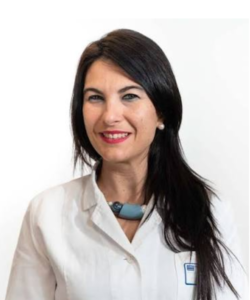
Italy
Italy
Università degli Studi di Padova
Abstract: Smart Clot: A Flow-Aware Biosensor Enabling Simultaneous Quantification of Primary and Secondary Hemostasis
Hemostasis is a highly dynamic and tightly regulated process resulting from the coordinated interaction among platelets, coagulation factors, endothelial cells, and blood flow-derived shear forces. Despite the widespread use of point-of-care (POC) coagulation assays, currently available technologies are limited by the use of exogenous activators and inhibitors and by operating conditions that poorly reproduce the physiological environment. Moreover, most assays evaluate isolated components of coagulation under static or near-static conditions, limiting their ability to provide a comprehensive assessment of thrombus formation. These limitations have hindered the broader clinical adoption of POC hemostasis testing outside selected settings.Here, we describe the technical validation of Smart Clot, a fully automated microfluidic POC platform designed to provide an integrated evaluation of physiological hemostasis through real-time visualization and quantitative analysis of thrombus formation under controlled flow conditions. Recalcified citrated whole blood was perfused through a collagen type I-coated microchannel at an arterial wall shear rate of γ˙w = 300 s⁻¹ without the addition of exogenous activators or inhibitors. Under these conditions, platelet adhesion, activation, and aggregation to the collagen surface reproduce primary hemostasis, while endogenous thrombin generation promotes fibrin formation and thrombus stabilization, thereby recapitulating secondary hemostasis.Dual-channel epifluorescence microscopy enabled simultaneous acquisition of platelet and fibrin(ogen) signals at one frame per second. Time-dependent fluorescence signals were quantified by integrated density analysis and fitted using a five-parameter logistic model. First derivatives and their integrals generated standardized pseudo-volumes describing platelet accumulation, fibrin deposition, and overall thrombus growth. Reference intervals were established from 62 healthy volunteers, whereas the pharmacodynamic responsiveness of the assay was investigated in 113 patients receiving antithrombotic therapies. Platelet-derived parameters exhibited approximately normal distributions, whereas fibrin(ogen) and total thrombus measurements followed log-normal distributions.The biological relevance of the assay was further confirmed by selective inhibition studies. Antiplatelet agents produced graded reductions in platelet aggregation and fibrin formation, with indomethacin decreasing platelet aggregation by approximately 70% and fibrin(ogen) formation by 60%, while tirofiban almost completely abolished both processes. Likewise, anticoagulants induced marked inhibition, with heparin and lepirudin reducing platelet accumulation by 70–80% and fibrin formation by 80–90%, demonstrating the strong interdependence between primary and secondary hemostasis. Furthermore, blood samples collected during cardiopulmonary bypass revealed profound but transient impairment of platelet and fibrin activity. Across the entire measurement range, multiple statistical analyses demonstrated excellent analytical repeatability.Overall, Smart Clot provides rapid, reproducible, and flow-aware quantification of platelet-fibrin dynamics using unmodified whole blood, allowing the simultaneous evaluation of primary and secondary hemostasis within a single assay. By capturing physiological thrombus formation as well as pharmacological and perioperative alterations with high sensitivity, Smart Clot represents a promising next-generation biosensor platform for comprehensive hemostasis assessment and warrants further comparative studies with established coagulation POC technologies.

China
China
Beijing Institute of Technology
Abstract: Aptamer functionalized photonic crystal sensor for rapid detection of sars-coronavirus-2
Murtaza is an innovative researcher specializing in point-of-care testing, such as bioinspired photonic
crystal materials, aptamer-functionalized systems, and stimuli-responsive platforms for diagnostics,
biotechnology, and disease profiling. He designs ssDNA aptamers targeting protein biomarkers derived
from human samples and from viruses, e.g., SARS-CoV-2 and HIV, while investigating their structural
modulation. As a leader of multiple funded projects, he develops advanced optical point-of-care sensors
for virus detection. His expertise extends to integrating smart-responsive polymers into sensing
technologies for environmental applications, such as detecting pathogens and heavy metal ions in
biological and water samples. His work is featured in prestigious journals of ELSEVIER, ACS, RSC, and Wiley.

Mexico
Mexico
Secretaría de Ciencia, Humanidades, Tecnología e Innovación
Abstract :
Dr. María L. Mota holds a Bachelor’s degree in Chemical Sciences with a specialization in Organic Chemistry from the Facultad de Ciencias Químicas in Saltillo, Coahuila. She completed her Master’s degree in the Graduate Program in Materials Science and Technology, where her research focused on the recycling of tire rubber through catalytic pyrolysis using national zeolites.She obtained her Ph.D. in Materials Science and Technology at the Facultad de Ciencias Químicas in collaboration with the Centro de Investigación en Química Aplicada (CIQA), in the area of advanced materials. Her doctoral research involved the synthesis of cyano-modified oligoparaphenylenes and the study of their liquid crystal and luminescent properties.Dr. Mota was commissioned by the CONACYT Chairs Program to Project 1440 entitled “Development of Flexible OLEDs Based on Thin Films of Semiconductor Oligophenylenes (calamitic rod) with Liquid Crystal Properties,” from 2014 to 2024. Currently, through the Researchers for Mexico Program of the Secretaría de Ciencia, Humanidades, Tecnología e Innovación (SECIHTI), she has been commissioned to Project 7040 at InnovaBienestar de México, where her research focuses on organic, inorganic, and hybrid semiconductors.Her research focuses on the synthesis and study of organic, inorganic, and hybrid semiconductors developed through soft chemistry, with applications in flexible electronics, optical sensors, organic solar cells, and OLED devices. She is a member of the Semiconductor Electronics Research Group and is responsible for both the Semiconductor Laboratory and the Biomaterials Laboratory.
UK
UK
Department of Chemistry and The Centre for Antimicrobial Optimisation Imperial College London
Abstract:
Antimicrobial resistance (AMR) threatens to undo the past 100 years of progress in combatting microbial infections. Globally the number of deaths directly attributable to AMR is estimated by WHO to have been be 1.27 million with a further 4.95 million deaths where AMR was a contributing factor (2019 figures). This situation is exacerbated by poverty and inequality,There are varied and complex drivers of AMR but broadly their overuse and misuse being primary causes. Whilst the discovery of new antibiotics will play an important role in adding to the armoury of antimicrobials, better use of current molecules is essential in containing the spread of AMR. Within this stewardship approach, decentralised diagnostics is a major tool.In this presentation I will illustrate how decentralised diagnostics can be used to ensure that antibacterials are used for the right purpose and in the right quantities to maximize their effectiveness whilst minimising both the likelihood of AMR and the adverse effects on patients.

India
India
SRM University
Abstract: A New Paradigm for Assessing Strain Reliability in Flexible Organic Electronics
Flexible and wearable electronics demand transistor technologies that can sustain stable performance under extreme mechanical deformation. In this work, propose a quantitative benchmarking framework for strain resilience in organic thin-film transistors (OTFTs), introducing three normalized metrics: the Degradation Factor (DF), quantifying drain-current loss under strain; the Mobility Factor (MF), representing the rate of charge-transport degradation per unit strain; and the Strain-Stability Window (SSW), defining the maximum strain range within which devices remain in the safe operating zone (DF < 15%) . Using Silvaco Victory TCAD, systematically investigate the strain-dependent behaviour of single-dielectric (Al2O3) and hybrid-dielectric (Al2O3/PVP) OTFTs under both compressive (concave) and tensile (convex) bending with radii from 8 µm to 1 µm. Results show that hybrid dielectric OTFTs exhibit superior strain tolerance, with a degradation factor of only 9% under 9.85% tensile strain, compared to 25% for single-dielectric devices. Furthermore, hybrid devices show a markedly lower mobility factor ( -3 %/strain compressive, -1.9 %/strain tensile) compared with single-dielectric OTFTs (-6 %/strain compressive, -5 %/strain tensile). Beyond confirming the mechanical advantages of hybrid dielectrics, This work study demonstrates that strain-stability quantifiers provide a universal method to benchmark flexible OTFT reliability, bridging device physics with practical requirements of wearable bioelectronics. These findings establish hybrid Al2O3/PVP dielectrics not only as performance enhancers but also as reliable design enablers for next-generation strain-resilient organic electronics.

India
India
Indian Institute of Technology
Abstract: Deep Learning-assisted Quantification of Optical Signals from Paper Immunoassays.
Paper-based immunoassays are widely used point-of-care diagnostic tools for the detection of specific biomarkers. Such paper-immunoassays typically provide only a qualitative YES/NO visual result, indicated by the presence or absence of colored test and control lines formed by optical signals such as colorimetric changes on a paper strip. These simple readouts are fast and user-friendly but often lack quantitative analysis. Detection using external reader, or attachments in the smartphones are proposed that can capture and analyse the optical signals. However, the major drawbacks of existing smartphone solutions are brand-specific or assay-specific, requiring specific apps or hardware for different test types. Thus, the quantification system that can accurately identify and quantify multiple brands and types of paper-based immunoassays without needing external hardware remains a challenge.
Addressing this limitation, this work also introduced a generic, smartphone-compatible algorithm driven by convolutional neural networks (CNNs) for quantitative interpretation of colorimetry signals from the paper devices across (i) different brands; (ii) different assays, and (iii) compatible with environmental conditions, as well as device orientations. Validation involved diverse commercial kits such as pregnancy kits and ovulation kits, imaged using different brands of smartphone. The framework developed provides an end-to-end solution that extracts image features, maps the intensity values to sample concentrations, generating calibration curves for accurate analyte quantification. Further, our framework was tested on in-house designed competitive immunoassays for vitamin D3 detection and quantification. This work highlights advancements biosensors designs with digital innovation for AI-powered smartphone diagnostics, overcoming traditional limitations of rapid diagnostic tests.