
Conference Dates
May 10-12, 2027
0
Days
0
Hours
0
Minutes
0
Seconds
Conference Venue
Budapest, Hungary
May 10-12, 2027
Budapest, Hungary
Welcome to the International Conference on Stem Cell Research and Regenerative Medicine, organized by Innovatex Conferences and taking place from 10–12 May 2027 in Budapest, Hungary. Under the theme “Advancing Stem Cell Science for Regenerative and Translational Medicine,” this conference brings together leading researchers, clinicians, academicians, and industry experts from around the world to discuss the latest advancements in stem cell biology, regenerative medicine, tissue engineering, and translational healthcare.The event features a comprehensive scientific program with focused sessions, keynote presentations, interactive discussions, and poster presentations highlighting innovative research and emerging technologies in regenerative science. Participants will have the opportunity to exchange knowledge, establish collaborations, and gain valuable insights into cutting-edge developments shaping the future of stem cell therapy and regenerative medicine.Set in Budapest, a vibrant center of scientific research, culture, and innovation, this conference provides an ideal platform for learning, networking, and discovering breakthrough approaches that are transforming modern healthcare and biomedical science.
A concise overview of the essential instructions and standards speakers must follow to ensure a smooth, well-prepared, and professional presentation at the conference
An early outline of the planned sessions and activities, subject to final updates before the conference.
A concise document providing key information about the conference, including its theme, schedule, speakers, and participation details.
Discover the diverse scientific sessions designed to share cutting-edge research and innovations.
Committee brings together experienced professionals committed to ensuring the smooth execution.
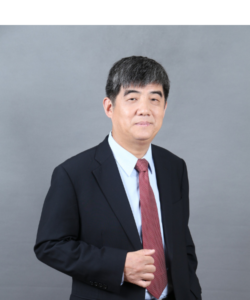
China
China
Sun Yat-sen University
Zheng Zhaomin, M.D., Ph.D., is a Professor and doctoral supervisor in the Department of Spine Surgery at the First Affiliated Hospital of Sun Yat-sen University, Guangzhou, China. He serves as Vice Director of the Department of Spine Surgery and Director of the Guangdong Engineering Technology Research Center of Spinal Deformity. With more than 30 years of experience in spinal orthopaedics, his clinical and research interests include spinal deformity, minimally invasive spine surgery, and degenerative spinal disorders. Dr. Zheng has published extensively in leading international spine journals and holds leadership positions in several international spine societies, including serving as the 24th President of PASSMISS (2024), a Board Member of ISASS-Asia Pacific, and Associate Editor of the Asia Spine Journal.

USA
USA
University of Pittsburgh
Thomas J. Webster’s (H index: 136) degrees are in chemical engineering from the University of Pittsburgh (B.S., 1995; USA) and in biomedical engineering from RPI (Ph.D., 2000; USA). He has formed over a dozen companies who have numerous FDA approved medical products currently improving human health in over 30,000 patients. He is also currently serving as a professor at Brown University, Saveetha University, Hebei University of Technology, University of the Basque Country, UFPI, and others. Dr. Webster has numerous awards including: World Top 2% Scientist by Citations (PLOS); SCOPUS Highly Cited Research (Top 1% Materials Science and Mixed Fields); Clarivate Top 0.1% Most Influential Researchers (Pharmacology and Toxicology); Best Materials Science Scientist by Citations (Research.com); and is a fellow of over 8 societies. Prof. Webster is a former President of the U.S. Society for Biomaterials and has over 1,500 publications to his credit with over 75,000 citations. He was recently nominated for the Nobel Prize in Chemistry (2026). Prof. Webster also recently formed a fund to support Nigerian student research opportunities in the U.S.
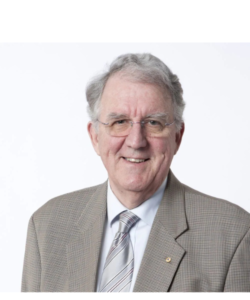
Australia
Australia
Monash University
Jock Findlay is a distinguished reproductive biologist and academic who has made significant contributions to reproductive health and fertility research. He joined the Prince Henry’s Institute (now the Hudson Institute of Medical Research) in 1979 and is a Fellow of the Academy of Health and Medical Sciences (FAHMS). Throughout his career, he has held several prestigious academic and leadership positions, including Adjunct Professor at Monash University (2009), Honorary Professor at the University of Melbourne (2009), Chair of the Advisory Board of the Robinson Research Institute at the University of Adelaide (2014–2016), and Past President of the Society for the Study of Reproduction (USA) (2014–2015). Professor Findlay has published more than 280 research papers and received numerous awards for his outstanding contributions. His research has primarily focused on understanding ovarian function, egg development, storage, and release, advancing knowledge of female fertility and the local actions of hormones. His work has played a key role in improving in vitro fertilization (IVF) techniques and enhancing the understanding of fertility and infertility. More recently, his research has expanded to investigating the mechanisms of chemoresistance and metastasis in ovarian cancer, contributing to the development of improved therapeutic approaches.
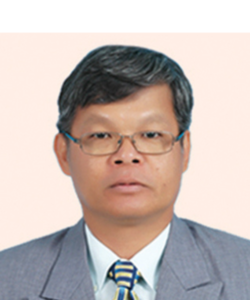
Thailand
Thailand
Suranaree University of Technology
Rangsun Parnpai is a distinguished reproductive biologist and biotechnology researcher at the School of Biotechnology, Institute of Agricultural Technology, Suranaree University of Technology (SUT), Thailand. He earned a Doctor of Agricultural Science (Animal Reproduction) from Kyoto University, Japan, following a Master of Science in Zoology from Kasetsart University and a Bachelor of Science in Biology from Burapha University. His research focuses on assisted reproductive technologies, including somatic cell cloning, in vitro embryo production, embryo transfer, cryopreservation of gametes and embryos, and stem cell biology for both animals and humans. Professor Parnpai has made significant contributions to animal reproduction, endangered species conservation, and regenerative medicine through his extensive research and publications. In recognition of his outstanding scientific achievements, he was named Thailand's National Outstanding Researcher in Agriculture and Biology in 2021 and, in 2026, received the prestigious High-Potential Research Group Grant from the National Research Council of Thailand (NRCT) and the National Science and Technology Development Agency (NSTDA) to advance innovative research on cloning and conservation of endangered species.
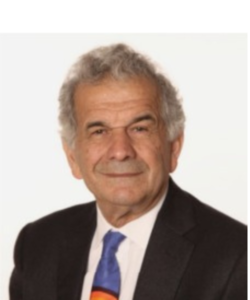
UK
UK
University of London
Jerard Seghatchian obtained dual degrees, one in radiation-induced free radical formation from the University of Paris and the other in biomedical pharmacology, from the University of London. His post-doctoral research includes radiation-induced polymerisation at the Centre National Research Scientific [CNRS, Orsay]. These academic qualifications were preparatory to a scientific career dedicated to illuminating complex mechanisms of hemostasis, thrombosis and hypercoagulability, collaborating, as invited visiting scientist, with several international leaders in haematological abnormalities and QA aspects. He was responsible for establishing some of the first standards/standardisation of blood component therapy while serving as the Principal Scientist of the newly created Components Developmental Laboratory at the NHSBT and in concert with the WHO-NIBSC, where he worked for three years as a part-time invited visiting scientist.

Bahrain
Bahrain
Arabian Gulf University
Reem Alzahrani is a molecular medicine researcher at Arabian Gulf University whose work centers on advancing women’s health through innovative cancer research and precision medicine. Her scientific contributions span breast cancer, ovarian cancer, HPV‑related disease prevention, and organoid‑based modeling of female malignancies. She specializes in developing patient‑derived tumor organoids to study tumor behavior, drug resistance, and individualized therapeutic strategies for women with breast and ovarian cancers. Dr. Alzahrani has authored peer‑reviewed publications on triple‑negative breast cancer, ovarian cancer stem cell niches, and public health research addressing HPV awareness among women. Her research integrates molecular biology, cancer stem cells, and advanced 3D culture systems to better understand diseases that disproportionately affect women and to improve early detection and treatment outcomes.
China
China
Sun Yat-sen University
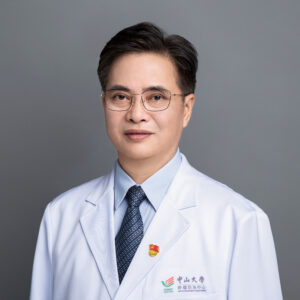
Liwu Fu is a Chinese cancer researcher and professor at the Sun Yat-sen University Cancer Center in Guangzhou, China. He serves as Director of the Department of Experimental Research and is internationally recognized for his work on cancer pharmacology, multidrug resistance, targeted therapies, and cancer immunotherapy. Dr. Fu earned his M.D. in 1987 and Ph.D. in 1996 from Sun Yat-sen University, followed by postdoctoral training at the Medical University of South Carolina. Over his career, he has published hundreds of scientific papers, secured multiple patents, and made significant contributions to the development of novel anticancer drugs and personalized cancer treatment strategies.

Hong Kong
Hong Kong
The Chinese University of Hong Kong
Enjoy world-class hospitality with premium services and modern amenities designed for your comfort.


Meet the distinguished speakers who will share their expertise and insights during the conference.

Bahrain
Bahrain
Arabian Gulf University
Abstract: Recapitulating the Niche: Optimized Ovarian Cancer Organoids Preserve CD44⁺/LGR5⁺ CSC Populations
Ovarian cancer remains the most lethal gynecologic malignancy, with recurrence driven by therapy-resistant cancer stem cells (CSCs) that survive initial treatment. Conventional two-dimensional (2D) culture systems fail to preserve CSC niches, limiting preclinical drug development. This study establishes a physiologically relevant three-dimensional (3D) organoid platform to investigate CSC biology and evaluate targeted therapeutic strategies. Organoid culture conditions were optimized using OVCAR-3 cells by testing growth factor cocktails containing Noggin, R-spondin-1, Wnt3a, EGF, FGF2, KGF2, and neuregulin-1. Optimized conditions were validated across three ovarian cancer cell lines (OVCAR-3, SKOV3, A2780) and six primary patient tumors (clear cell carcinoma and high-grade serous carcinoma). CSC marker expression (CD44, LGR5, EpCAM) was characterized by immunofluorescence. Drug sensitivity to carboplatin, paclitaxel, dasatinib (SRC/FAK inhibitor), and panobinostat (HDAC inhibitor) was compared between 2D monolayers and 3D organoids. CD44⁺ and LGR5⁺ subpopulations were isolated by magnetic-activated cell sorting for differential sensitivity profiling. Optimal organoid formation required combined supplementation with Noggin, R-spondin-1, Wnt3a, EGF, and FGF2 (92% establishment efficacy vs. 0% in basal medium, p < 0.001). Organoids were successfully established from all three cell lines (88-95% success) and 5/6 patient tumors (83% success), with morphology reflecting histological subtype. Organoids preserved architecturally conserved CSC niches, with 23.4 ± 4.2% CD44⁺, 15.7 ± 3.8% LGR5⁺, and 8.3 ± 2.1% dual-positive cells spatially localized to organoid peripheries and luminal interfaces. Three-dimensional architecture mediated distinct therapeutic responses: dasatinib and panobinostat induced complete organoid dissolution at clinically relevant concentrations (>95% structural loss), whereas carboplatin and paclitaxel achieved only partial disruption even at supratherapeutic concentrations. CD44⁺ cells exhibited universal multidrug resistance across all models (carboplatin: 1.96-5.77×, dasatinib: 2.75-8.30×, panobinostat: 2.13-4.22× IC50 increase). LGR5⁺ cells showed context-dependent responses, including enhanced panobinostat sensitivity in OVCAR-3 (IC50 reduced to 45% of parental, p = 0.014) but universal dasatinib resistance (1.9-3.2×). Patient-derived organoids revealed both conserved vulnerabilities (dasatinib/panobinostat sensitivity) and interpatient heterogeneity (4-fold difference in carboplatin response). ovarian cancer organoid platform recapitulates CSC niche architecture and reveals microenvironment-dependent therapeutic vulnerabilities invisible to 2D screening. CD44 mediates universal multidrug resistance through physical niche sequestration and pro-survival signaling, while LGR5⁺ CSCs exhibit lineage-specific epigenetic dependencies. Dual targeting of physical niche integrity (dasatinib) and intrinsic epigenetic programming (panobinostat) represents a promising strategy to eradicate therapy-resistant CSCs. Patient-derived organoids capture interpatient heterogeneity, supporting their utility in precision medicine approaches for ovarian cancer.
Hong Kong
Hong Kong
The Chinese University of Hong Kong
Abstract: Macrophage–β-Cell Crosstalk in Type 2 Diabetes Mellitus
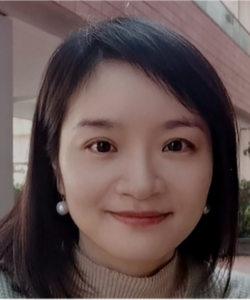
Type 2 Diabetes Mellitus (T2DM) involves progressive loss of functional β‑cell mass, a critical event worsened by chronic lipid overload. Lipid excess promotes a pro‑inflammatory phenotype in islet macrophages (IMs) through a fatty acid oxidation (FAO)‑dependent pathway, with Carnitine Palmitoyltransferase 1A (Cpt1a) as the rate‑limiting enzyme. However, the direct role of macrophage Cpt1a in β‑cell health remains unclear. To address this, we generated myeloid‑specific Cpt1a knockout (Cpt1a MKO) mice and fed them a high‑fat diet (HFD) to induce obesity and glucose intolerance. Metabolic phenotyping, islet morphology, and β‑cell proliferation were assessed. Bone marrow‑derived macrophages (BMDMs) from WT and Cpt1a MKO mice were treated with palmitic acid (PA), and their conditioned media were tested on β‑cells. Proteomic profiling, Seahorse metabolic analysis, and mitochondrial function assays were performed. Cpt1a MKO mice were protected from HFD‑induced glucose intolerance and showed significantly enhanced β‑cell proliferation. Conditioned media from PA‑treated Cpt1a‑deficient BMDMs promoted β‑cell proliferation, while media from WT BMDMs inhibited it. Proteomics identified a key secreted factor—strongly suppressed in PA‑treated WT macrophages but restored in Cpt1a‑deficient cells. Neutralizing this factor abolished the pro‑proliferative effect, confirming its essential role. Mechanistically, Cpt1a deletion preserved mitochondrial mass and ATP production under lipotoxic stress, preventing AMPK hyperactivation and enabling a protective secretory profile. Collectively, our findings show that macrophage‑specific Cpt1a deletion alleviates metabolic dysfunction in T2DM by promoting β‑cell proliferation through mitochondrial preservation and the subsequent upregulation of a protective secreted factor. Targeting macrophage Cpt1a may offer a novel strategy to preserve β‑cell mass in diabetes.

Spain
Spain
Universitat Internacional de Catalunya (UIC)
Abstract: Biomaterial based strategies to promote vascularization in bone tissue engineering
Bone tissue regeneration remains a significant clinical challenge, particularly in large-scale segmental defects where nutrient supply and metabolic exchange are critically restricted. A key bottleneck in successful bone reconstruction is rapid, adequate vascularization; without a functional vascular network, cell survival within thick 3D scaffolds is severely compromised, leading to core necrosis and graft failure. This presentation explores multi-faceted bioengineering strategies designed to overcome vascularization limitations by integrating material chemistry, structural design, and biofabrication technologies to synergistically induce angiogenesis and osteogenesis. A central focus is the therapeutic orchestration of bioactive inorganic ions—such as cobalt, copper, and silicate ions—as stable, cost-effective alternatives or complements to recombinant growth factors like VEGF. By controlling the spatiotemporal release of these therapeutic ions from porous matrices, microparticles, and bioactive glass nanostructures, it is possible to trigger hypoxia-inducible mechanisms (e.g., HIF-1α stabilization) and direct pro-angiogenic cell responses without the high costs, short half-lives, or off-target safety risks associated with biological proteins. In parallel, advanced biofabrication techniques—including coaxial 3D extrusion, core-shell hydrogel encapsulation, and microfluidic-assisted printing—are presented as powerful tools to construct highly organized pre-vascularized tissue constructs. Coaxial extrusion allows the direct patterning of endothelial and mural/smooth muscle cell compartments, mimicking native vessel architecture and promoting rapid lumen formation upon implantation. Furthermore, combining self-setting silica-based inks, biopolymer matrices, and tailored supramolecular hydrogels enables the creation of mechanically robust, macroporous scaffolds that provide structural guidance while delivering dual pro-angiogenic and osteoinductive signals. Beyond direct signaling, the interplay between immunomodulation and vascularization is emphasized. The early host immune response, driven largely by macrophage polarization (M1 to M2 transitions), heavily dictates downstream angiogenic sprout formation and subsequent matrix mineralization. By tuning surface micro/nanotopography and ion-doping profiles, biomaterials can be engineered to attenuate chronic inflammatory pathways and foster a pro-healing microenvironment conducive to capillary sprouting. In conclusion, achieving predictable and rapid vascularization in bone tissue engineering requires a holistic approach combining bioactive ion delivery, immunomodulatory scaffold design, and precise 3D bioprinting. Translating these combined pro-angiogenic strategies into scalable, clinical-grade platforms represents a pivotal step toward functional, long-lasting hard tissue repair

Spain
Spain
Universitat Internacional de Catalunya (UIC)
Abstract: Synergistic Effects of Substrate Curvature and Surface Micro-Topography on Human Corneal Endothelial Cell Regeneration
Corneal blindness represents a major global health challenge, affecting approximately 10 million individuals worldwide. Currently, corneal transplantation remains the primary clinical intervention; however, its implementation is severely restricted by a worldwide donor tissue shortage. Transplant failure is frequently driven by dysfunction of the corneal endothelium—a non-regenerative monolayer of corneal endothelial cells (CECs) responsible for maintaining corneal hydration, transparency, and visual acuity through barrier and ionic pump functions. While expansion of primary human CECs in vitro offers a promising alternative to tissue transplantation, standard two-dimensional culture models often result in rapid phenotypic degradation, loss of characteristic cell-cell junctions, and abnormal cell morphology. To overcome these limitations, this study presents a biomimetic tissue engineering strategy designed to recapitulate both the anatomical macro-curvature and micro-topographical features of the native human cornea. Custom 3D-printed molds were fabricated with specific concave and convex curvature profiles and surface topographies, including smooth surfaces and patterned feature sizes (50 µm, 200 µm, and 300 µm). Type I collagen hydrogels were crosslinked with Genipin and cast into these custom molds to yield unpatterned and patterned biomimetic substrates. Crosslinking efficiency and cytocompatibility were evaluated across multiple Genipin dilutions (control, 1:200, 1:100, 1:50) using CCK-8 cell viability assays. Primary human CECs were cultured on flat, concave, patterned, and unpatterned substrates. Cellular responses were evaluated via immunofluorescence (F-actin/Phalloidin and ATP1A1 expression), quantitative gene expression (qPCR) for tight and pump junction markers, and quantitative morphometric analysis (cell area and circularity index) at short (3 days) and extended (6 days) culture periods. Optical and cross-sectional characterization demonstrated that 3D-printed molds successfully transferred uniform micro-patterns and macro-curvature to collagen hydrogels with high structural fidelity. A 1:200 Genipin crosslinker dilution provided optimal hydrogel stability while maintaining ~100% cell viability relative to controls. Culturing primary CECs on patterned curved hydrogels restored native-like cell architecture, with cells rapidly forming tightly packed monolayers featuring hexagonal/polygonal morphology. At Day 3, cells cultured on patterned curved substrates achieved a circularity index of 0.870 ± 0.071 and a mean cell area of 315.9 ± 98.48 µm², closely matching native endothelial parameters. Immunofluorescence confirmed strong cell-surface localization of the functional pump marker ATP1A1. Furthermore, gene expression analysis revealed that macro-scale substrate curvature had a dominant effect on overall CEC behavior, whereas micro-topographical patterning specifically enhanced tight junction expression over pump junctions. Notably, shorter culture durations (3 days) on curved patterned hydrogels preserved significantly higher marker expression and physiological morphology than extended culture periods or traditional flat substrates. This work demonstrates that combining macro-curvature and micro-topography provides critical biophysical cues that promote CEC functional phenotype preservation and structural organization. This biomimetic hydrogel platform offers a robust approach for expanding functional corneal endothelial grafts, addressing key bottlenecks in ocular tissue engineering.
Early registration is now open. Take advantage of discounted rates by registering before the deadline.
137 Haldane Road, E6 3JW, London, United Kingdom
+44 330 808 1939
contact@innovatexconference.com
We’re here to help. Reach out to our team for inquiries, support, or collaboration opportunities—we’ll respond promptly.