
China
China
Macau University of Science and Technology
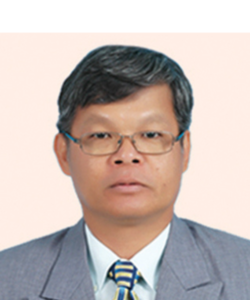
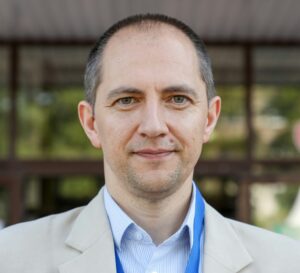
Xinghua Pan is a Professor at the Precision Regenerative Medicine Research Centre, Medical Science Division, Macau University of Science and Technology. He founded and directed the Guangdong Provincial Key Laboratory of Single Cell Technology and Application, and previously served as Professor and Chairman of the Department of Biochemistry and Molecular Biology at Southern Medical University, China. Earlier in his career, he spent over a decade as a Research Scientist and Principal Investigator at Yale University School of Medicine. He earned his MD and MS from Southern Medical University and his PhD from Fudan University under Dr. CC Tan. He completed two postdoctoral fellowships: one at the Chinese Academy of Medical Sciences & Peking Union Medical College with Dr. Min Wu, and another at Yale University with Dr. Sherman Weissman. Since the early 2000s, as a member of the international ENCODE consortium, he pioneered single-cell sequencing technologies, innovating methods for single-cell genomics, epigenomics, transcriptomics, and telomere analysis, and laid the groundwork for single-cell multi-omics. His research spans human development and diseases, with a focus on stemness and cancer. He has authored over 160 publications in journals such as PNAS, Nature Communications, Cell Discovery, and Advanced Science, with total citations exceeding 11,500. He holds 15 issued patents in the US and China. Dr. Pan serves as a reviewer and editorial board member for several prestigious journals including Nature series, and is the Associate Editor of Precision Clinical Medicine (Oxford University Press). He is also the founder and Chairman of the International Conference on Single-Cell and Spatial Omics (TICSSO).
China
China
Sun Yat-sen University
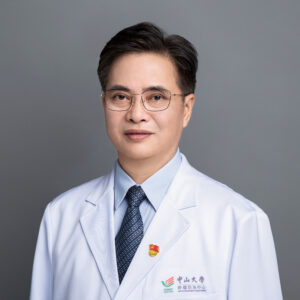
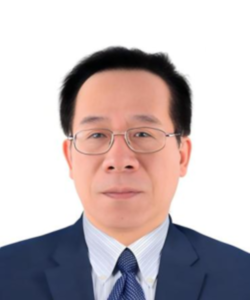
Zheng Zhaomin, M.D., Ph.D., is a Professor and doctoral supervisor in the Department of Spine Surgery at the First Affiliated Hospital of Sun Yat-sen University, Guangzhou, China. He serves as Vice Director of the Department of Spine Surgery and Director of the Guangdong Engineering Technology Research Center of Spinal Deformity. With more than 30 years of experience in spinal orthopaedics, his clinical and research interests include spinal deformity, minimally invasive spine surgery, and degenerative spinal disorders. Dr. Zheng has published extensively in leading international spine journals and holds leadership positions in several international spine societies, including serving as the 24th President of PASSMISS (2024), a Board Member of ISASS-Asia Pacific, and Associate Editor of the Asia Spine Journal.
USA
USA
University of Pittsburgh
Thomas J. Webster’s (H index: 136) degrees are in chemical engineering from the University of Pittsburgh (B.S., 1995; USA) and in biomedical engineering from RPI (Ph.D., 2000; USA). He has formed over a dozen companies who have numerous FDA approved medical products currently improving human health in over 30,000 patients. He is also currently serving as a professor at Brown University, Saveetha University, Hebei University of Technology, University of the Basque Country, UFPI, and others. Dr. Webster has numerous awards including: World Top 2% Scientist by Citations (PLOS); SCOPUS Highly Cited Research (Top 1% Materials Science and Mixed Fields); Clarivate Top 0.1% Most Influential Researchers (Pharmacology and Toxicology); Best Materials Science Scientist by Citations (Research.com); and is a fellow of over 8 societies. Prof. Webster is a former President of the U.S. Society for Biomaterials and has over 1,500 publications to his credit with over 75,000 citations. He was recently nominated for the Nobel Prize in Chemistry (2026). Prof. Webster also recently formed a fund to support Nigerian student research opportunities in the U.S.
Australia
Australia
Monash University
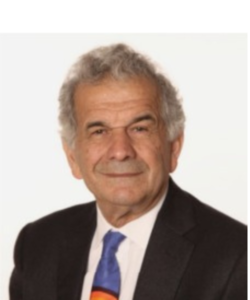
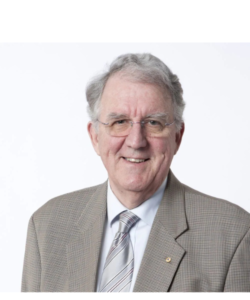
Jock Findlay is a distinguished reproductive biologist and academic who has made significant contributions to reproductive health and fertility research. He joined the Prince Henry’s Institute (now the Hudson Institute of Medical Research) in 1979 and is a Fellow of the Academy of Health and Medical Sciences (FAHMS). Throughout his career, he has held several prestigious academic and leadership positions, including Adjunct Professor at Monash University (2009), Honorary Professor at the University of Melbourne (2009), Chair of the Advisory Board of the Robinson Research Institute at the University of Adelaide (2014–2016), and Past President of the Society for the Study of Reproduction (USA) (2014–2015). Professor Findlay has published more than 280 research papers and received numerous awards for his outstanding contributions. His research has primarily focused on understanding ovarian function, egg development, storage, and release, advancing knowledge of female fertility and the local actions of hormones. His work has played a key role in improving in vitro fertilization (IVF) techniques and enhancing the understanding of fertility and infertility. More recently, his research has expanded to investigating the mechanisms of chemoresistance and metastasis in ovarian cancer, contributing to the development of improved therapeutic approaches.
Thailand
Thailand
Suranaree University of Technology
Rangsun Parnpai is a distinguished reproductive biologist and biotechnology researcher at the School of Biotechnology, Institute of Agricultural Technology, Suranaree University of Technology (SUT), Thailand. He earned a Doctor of Agricultural Science (Animal Reproduction) from Kyoto University, Japan, following a Master of Science in Zoology from Kasetsart University and a Bachelor of Science in Biology from Burapha University. His research focuses on assisted reproductive technologies, including somatic cell cloning, in vitro embryo production, embryo transfer, cryopreservation of gametes and embryos, and stem cell biology for both animals and humans. Professor Parnpai has made significant contributions to animal reproduction, endangered species conservation, and regenerative medicine through his extensive research and publications. In recognition of his outstanding scientific achievements, he was named Thailand's National Outstanding Researcher in Agriculture and Biology in 2021 and, in 2026, received the prestigious High-Potential Research Group Grant from the National Research Council of Thailand (NRCT) and the National Science and Technology Development Agency (NSTDA) to advance innovative research on cloning and conservation of endangered species.
UK
UK
University of London
Jerard Seghatchian obtained dual degrees, one in radiation-induced free radical formation from the University of Paris and the other in biomedical pharmacology, from the University of London. His post-doctoral research includes radiation-induced polymerisation at the Centre National Research Scientific [CNRS, Orsay]. These academic qualifications were preparatory to a scientific career dedicated to illuminating complex mechanisms of hemostasis, thrombosis and hypercoagulability, collaborating, as invited visiting scientist, with several international leaders in haematological abnormalities and QA aspects. He was responsible for establishing some of the first standards/standardisation of blood component therapy while serving as the Principal Scientist of the newly created Components Developmental Laboratory at the NHSBT and in concert with the WHO-NIBSC, where he worked for three years as a part-time invited visiting scientist.
UAE
UAE
Arabian Gulf University
Reem Alzahrani is a molecular medicine researcher at Arabian Gulf University whose work centers on advancing women’s health through innovative cancer research and precision medicine. Her scientific contributions span breast cancer, ovarian cancer, HPV‑related disease prevention, and organoid‑based modeling of female malignancies. She specializes in developing patient‑derived tumor organoids to study tumor behavior, drug resistance, and individualized therapeutic strategies for women with breast and ovarian cancers. Dr. Alzahrani has authored peer‑reviewed publications on triple‑negative breast cancer, ovarian cancer stem cell niches, and public health research addressing HPV awareness among women. Her research integrates molecular biology, cancer stem cells, and advanced 3D culture systems to better understand diseases that disproportionately affect women and to improve early detection and treatment outcomes.
China
China
Sun Yat-sen University
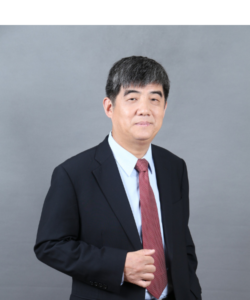
Liwu Fu is a Chinese cancer researcher and professor at the Sun Yat-sen University Cancer Center in Guangzhou, China. He serves as Director of the Department of Experimental Research and is internationally recognized for his work on cancer pharmacology, multidrug resistance, targeted therapies, and cancer immunotherapy. Dr. Fu earned his M.D. in 1987 and Ph.D. in 1996 from Sun Yat-sen University, followed by postdoctoral training at the Medical University of South Carolina. Over his career, he has published hundreds of scientific papers, secured multiple patents, and made significant contributions to the development of novel anticancer drugs and personalized cancer treatment strategies.