
Conference Dates
November 16-18, 2026
0
Days
0
Hours
0
Minutes
0
Seconds
Conference Venue
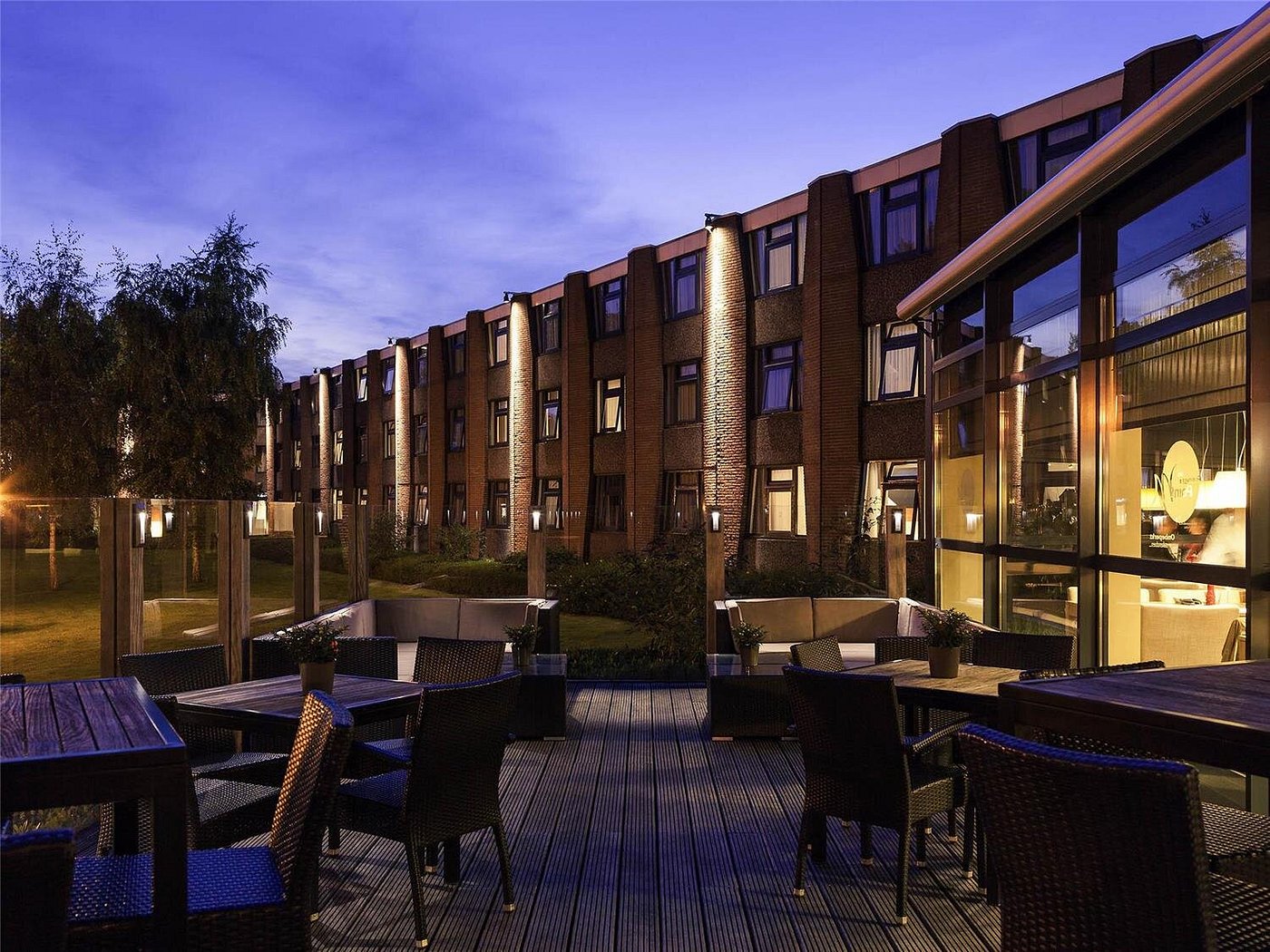
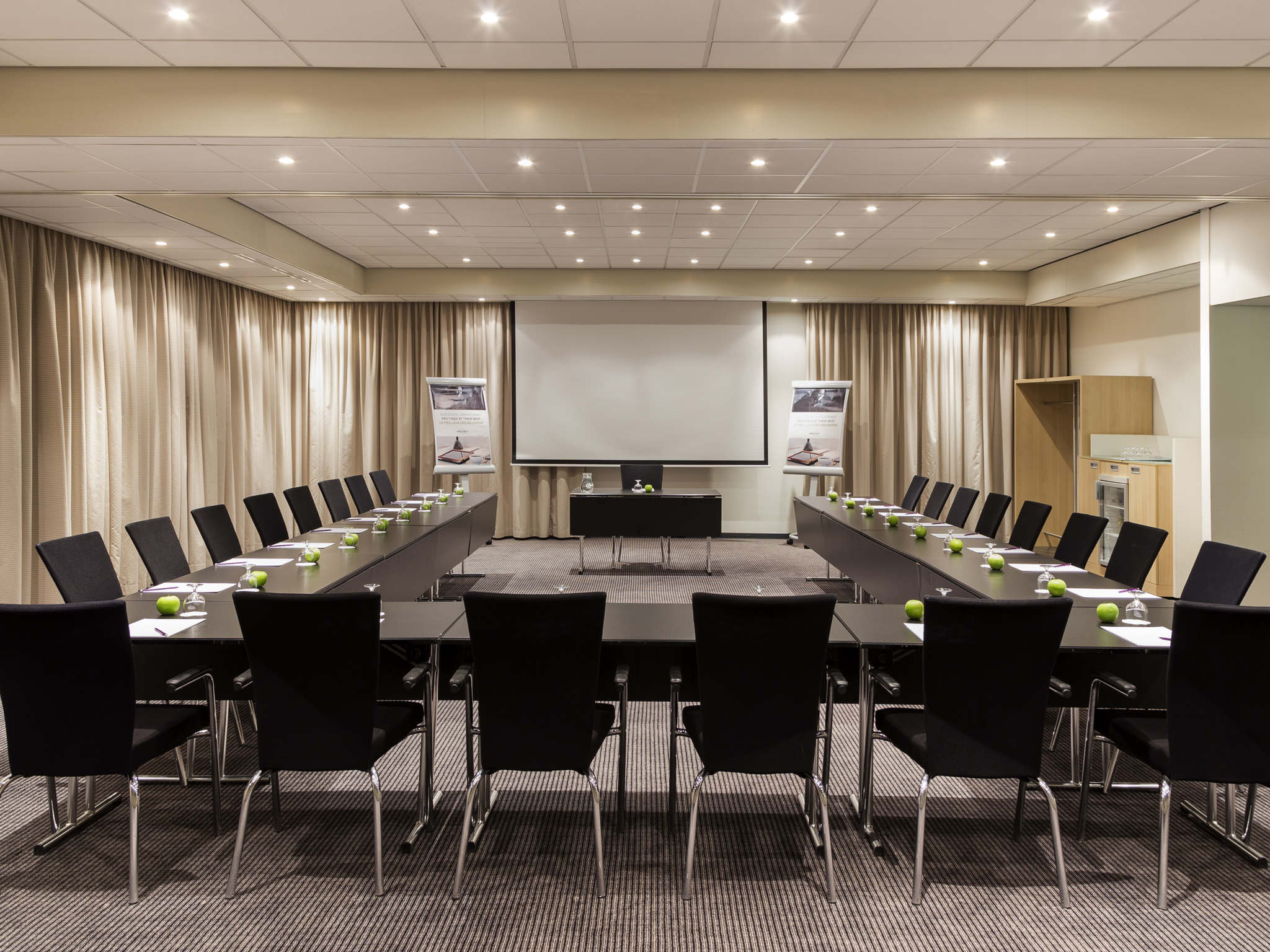
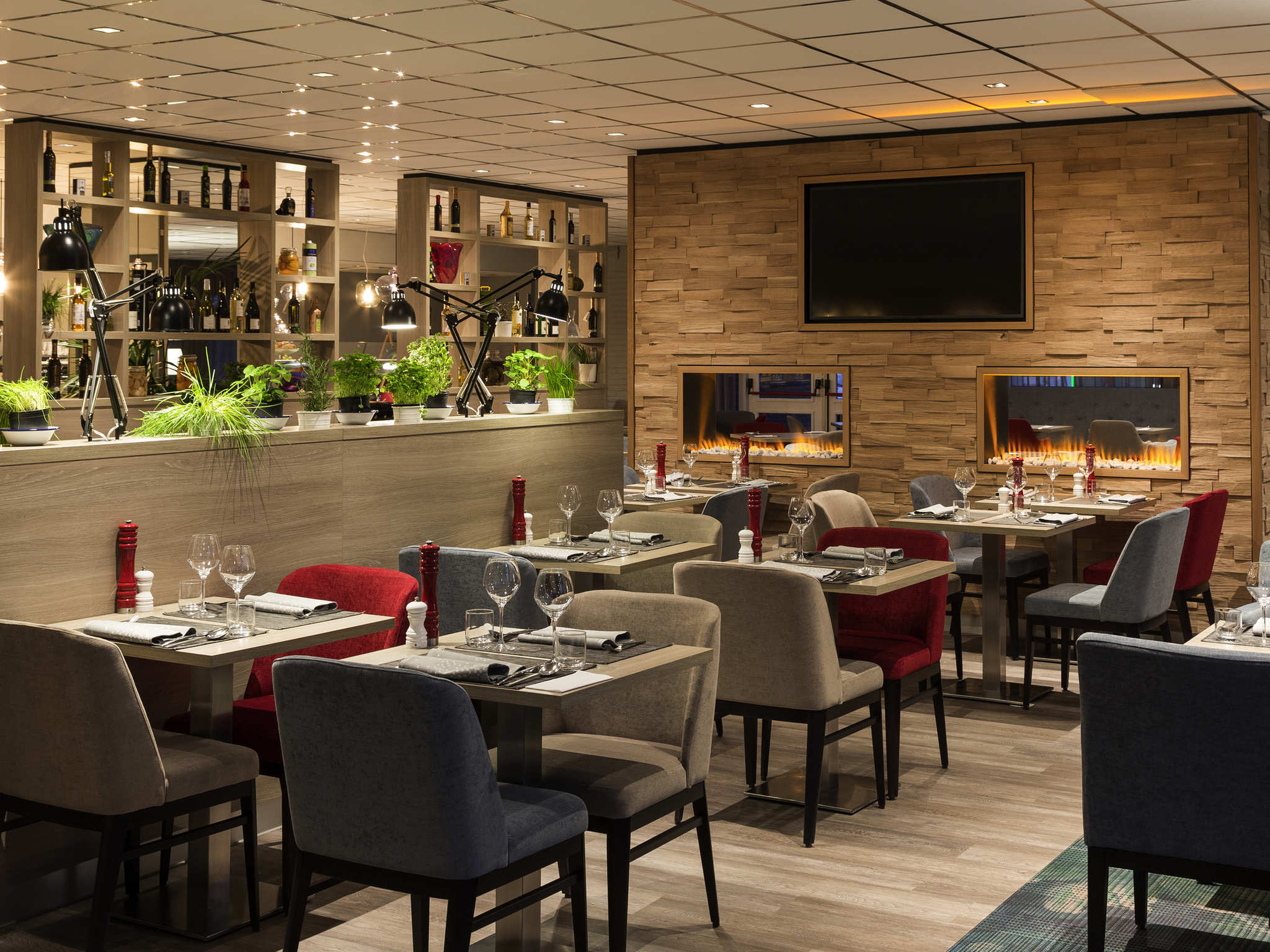
Mercure Hotel Amsterdam West, Amsterdam, Netherlands
November 16-18, 2026
Mercure Hotel Amsterdam West, Amsterdam, Netherlands
Welcome to the International Conference on Sustainable Waste Management, Environmental Science & Climate Change, organized by Innovatex Conferences and scheduled for 16–18 November 2026 at Mercure Hotel Amsterdam West, Amsterdam, Netherlands. Centered on the theme “Advancing Environmental Sustainability Through Smarter Waste Management & Climate Action,” this international forum brings together environmental scientists, sustainability experts, policymakers, researchers, and industry professionals from around the world. The conference will feature a wide range of scientific sessions focused on sustainable waste management, environmental monitoring, circular economy models, climate change mitigation and adaptation, green technologies, and policy-driven environmental solutions. Attendees will benefit from visionary keynote lectures, engaging oral and poster presentations, interactive panel discussions, and networking opportunities designed to foster collaboration and innovation. Set in Amsterdam—one of Europe’s leading cities for sustainability and environmental innovation—the conference provides an ideal platform to share knowledge, explore practical solutions, and contribute to shaping a cleaner, more resilient, and sustainable future.
A concise overview of the essential instructions and standards speakers must follow to ensure a smooth, well-prepared, and professional presentation at the conference
An early outline of the planned sessions and activities, subject to final updates before the conference.
A concise document providing key information about the conference, including its theme, schedule, speakers, and participation details.
Discover the diverse scientific sessions designed to share cutting-edge research and innovations.
Committee brings together experienced professionals committed to ensuring the smooth execution.
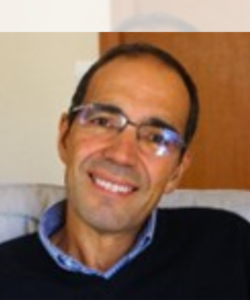
Portugal
Portugal
The University of Manchester
Paulo Sérgio Duque de Brito has a degree in chemical engineering, Processes and Industry
specialization, in the Technical Superior Institute; has a master’s degree in “Corrosion Science
and Engineering” by UMIST, Manchester University; is a PhD in Chemical Engineering, by
the Superior Technical Institute in the electrochemical – on fuel cells. He has also an MBA –
Master of Business and Administration.
Currently, he is Full Professor of the Superior School of Technology and Management of the
Polytechnic Institute of Portalegre (IPP). Is coordinator of the research centre VALORIZA –
Research Centre for Endogenous Resource Valorization and the Coordinator of the Master
Technologies for Environmental Valorization and Energy Production.
The main areas he investigates are related with Bioenergy, waste environmental
treatments, materials corrosion and energy galvanic production.
He has published more than 300 works, in books, articles and conferences presentations.

Malaysia
Malaysia
Universiti Tenaga Nasional (UNITEN)
Kumaran Kadirgama is a Professor and research fellow of Advanced Nano Coolant Lubricant Laboratory (ANCoL), UMP. He is a Profesional Engineer registered under the Board of Engineers Malaysia (BEM); and a Charted Engineer (UK) under the Institution of Mechanical Engineers (IMechE). He also a Professional Technologist (P.Tech) of Malaysia Board of Technologists (MBOT). Up to date, he has 18 years’ of experience in teaching and research activities in Universiti Malaysia Pahang (UMP) and University Tenaga Nasional (UNITEN). His expertise is on nanofluid and advanced material. He has also been appointed as Associated Researcher in Nelson Mandela University, South Africa, and appointed as Visiting Professor in Rajarshi Shahu University, India. He also panels for the Malaysian Qualifications Agency (MQA) from 2015 - current. In research, he was involved in the supervision of postgraduate students in Master and PhD levels. So far, he has already graduated numerous students in PhD and Master level. He also published and presented various technical papers and journals at an international and national level. He has an h-index of 31 with a citation of 4312. He has received grants totalling RM 6.02 million from various agencies and institutions. He has won a Gold medal in International Invention, Innovation & Technology Exhibition (ITEX), Seoul International Invention Fair, Korea (SIFF), and British Invention Show (BIS). He also included in top scientist 2% in the world for 2021 and 2022 in individual and career long achievement.

Thailand
Thailand
Burapha University
Professor Jittima Charoenpanich is a biochemist at the Department of Biochemistry, Faculty of Science, Burapha University, Thailand. She has extensive experience in both academic and research administration. She served as Vice-President for Research and Innovation at Burapha University from 2019 to 2025 and previously held several leadership roles, including Assistant President for Research, Head of the Department of Biochemistry, and member of the University Academic Council. At the national and international levels, she has contributed as an expert committee member for laboratory safety standards under the National Research Council of Thailand, an expert reviewer for the National Science Centre (Poland), and a subcommittee member for innovation project evaluation under the National Innovation Agency of Thailand. Her research expertise in environmental biochemistry and enzyme technology focuses on biodegrading toxic compounds, converting hazardous waste into value-added chemicals, and recycling food and agricultural waste for biotechnological applications. Her work addresses key challenges in sustainable waste solutions and contributes to scientific advances in circular economy and environmental protection.
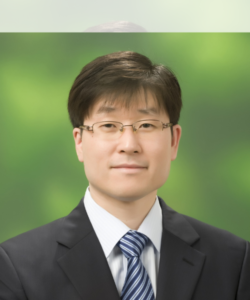
South Korea
South Korea
Gwangju Institute of Science and Technology
Dr. Bong-Joong Kim is the Dean of the School of Materials Science and Engineering at
Gwangju Institute of Science and Technology (GIST), Korea, where he has been a professor
since 2012. He previously held postdoctoral positions at Brookhaven National Laboratory’s
Center for Functional Nanomaterials (2010–2012) and Purdue University (2009–2010).
Additionally, he served as a visiting scientist at IBM T.J. Watson Research Center (2005–2012).
Dr. Kim earned his Ph.D. in Materials Engineering from Purdue University in 2008. Recognized
for his contributions to academia and research, he has received numerous accolades, including
the GIST Best Lecture Award (2023), the GIST Research Award for the highest impact factor
(2021), a commendation from Korea’s Ministry of Science and ICT (2021), and a Presidential
Award for Promotion of Science and Technology (2025). His research focuses on the design
and synthesis of organic and inorganic nanostructures and the investigation of their properties
in device formats. He aims to advance the controlled growth of nanowires, nanotubes, and
nanoparticles with precision and reproducibility, leveraging their unique properties for
applications in catalysis, electronics, optoelectronics, thermoelectrics, and sensors.
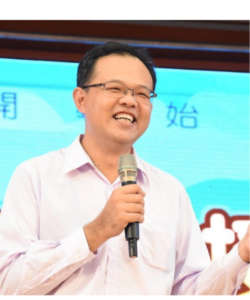
Taiwan
Taiwan
National Dong Hwa University
Chun-Hung Lee is a faculty member in the Department of Natural Resources and Environmental Studies at National Dong Hwa University (NDHU), Taiwan. His research interests include ecological economics, community-based ecotourism, sustainability and change, ecosystem service valuation, adaptive capacity, and endangered species conservation, with a focus on environmental governance and community resilience. He has published extensively in SSCI, EconLit, and TSSCI journals, participated in over 40 international conferences, served as principal investigator on numerous projects funded by the Ministry of Science and Technology (MOST) and the Taiwanese government, and held visiting academic positions in the United States and China, receiving multiple research excellence awards.
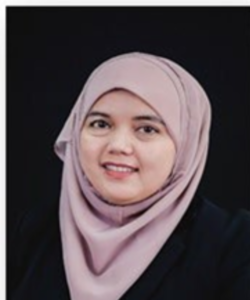
Malaysia
Malaysia
Universiti Teknologi MARA (UiTM)
Assoc Prof. Dr. Noor Najmi binti Bonnia is a Senior Lecturer at Universiti Teknologi MARA
(UiTM) and currently serves as Head of Unit (Grant Acquisition) at the Research
Management Centre (RMC), UiTM. She specializes in industrial materials engineering,
polymer science, and sustainable materials development. Her research focuses on green and
industrial polyurethane systems, graphene oxide–based functional coatings, surface
engineering, and advanced polymer composites for construction and medical applications.
Her work emphasizes materials performance evaluation, surface modification, and the
translation of laboratory research into practical, industry-relevant innovations through
collaborative research and prototype development.
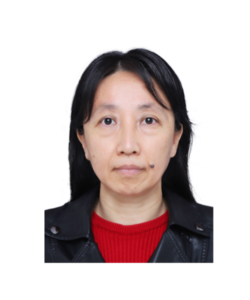
China
China
Beijing University of Chemical Technology
Yun Wei is currently a professor at Beijing University of Chemical Technology, specializing in the development of new analytical techniques, materials, and methodologies with a focus on the interrelationships among food, the environment, and human health. With extensive research experience, she has served as a visiting professor at Brunel University, UK (2009.01-2009.04), and the National Institutes of Health, USA (2012.08-2013.08). Her research interests include the design of functional adsorbents for rare earth and heavy metal ions, the development of detection methods for food and environmental safety, and the separation of bioactive compounds from natural products. She has published over 150 research papers, holds 18 national invention patents, and has led or contributed to the development of multiple national standards. She has been recognized through honors such as the Beijing Nova Program and the Ministry of Education’s New Century Excellent Talents award.
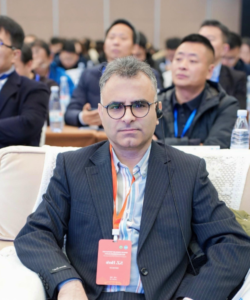
China
China
Xi’an University of Science and Technology
Xi’an University of Science and Technology (China). He is professor in the University of Tabriz. He was associate professor in the Ferdowsi university of Mashhad. Top 1% active scientist in Engineering 2016~2024 based on ISC reports. Completed 10 research projects for Iran Natural Gas Company. He worked on heat transfer performance of nanofluid as Ph.D. thesis. He has published, 2 book, 4 book chapter and more than 250 articles in well-recognized journals and proceedings. Editorial board member of 7 scientific journal. Has supervised 12 Ph.D. and more than 47 M.S. students. Dean of the Faculty of Chemical and Petroleum Engineering in University of Tabriz for 4 years. Vice Dean Faculty of Chemical and Petroleum Engineering University of Tabriz for 1 year. Reviewer in more than 200 international journals. h-index of 56 and more than 10866 citations (Dec. 2025, Scopus). Publishing in “Advances in Colloid and Interface Science” with an impact factor of 19.3, Journal of “Nano Energy” IF= of 17.1, “ RENEWABLE & SUSTAINABLE ENERGY REVIEWS” with an IF= 16.3 and other top journals .
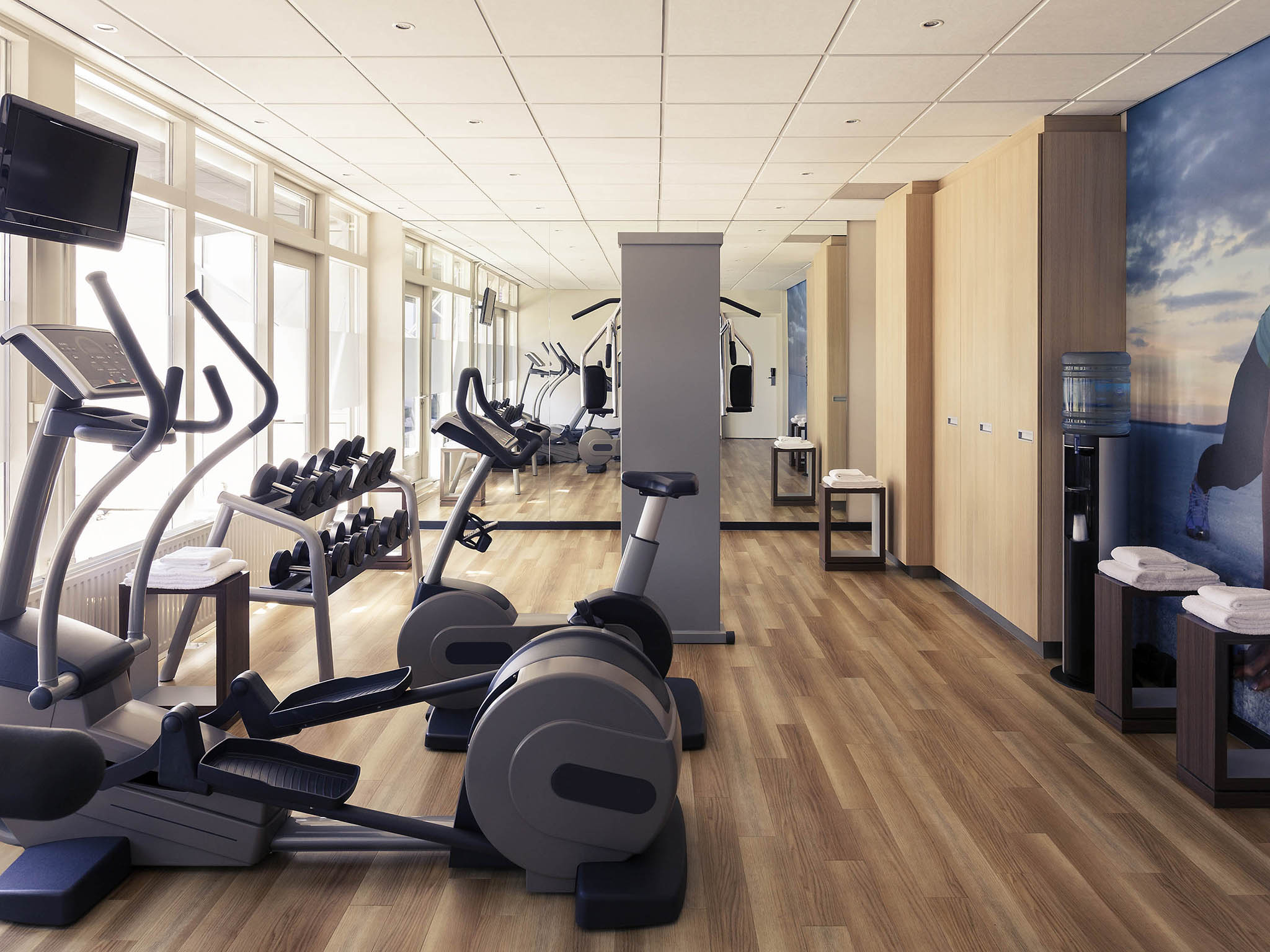
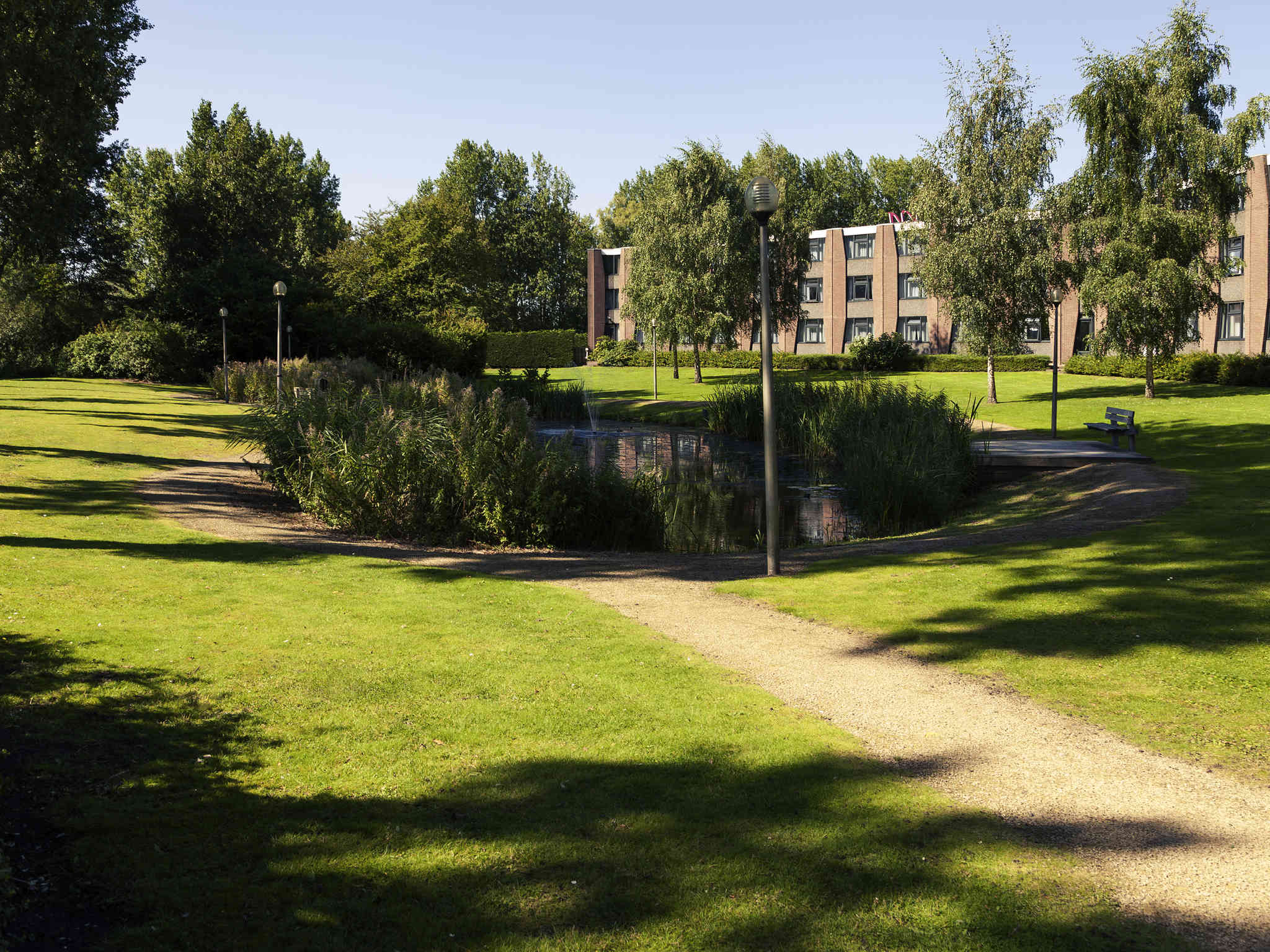
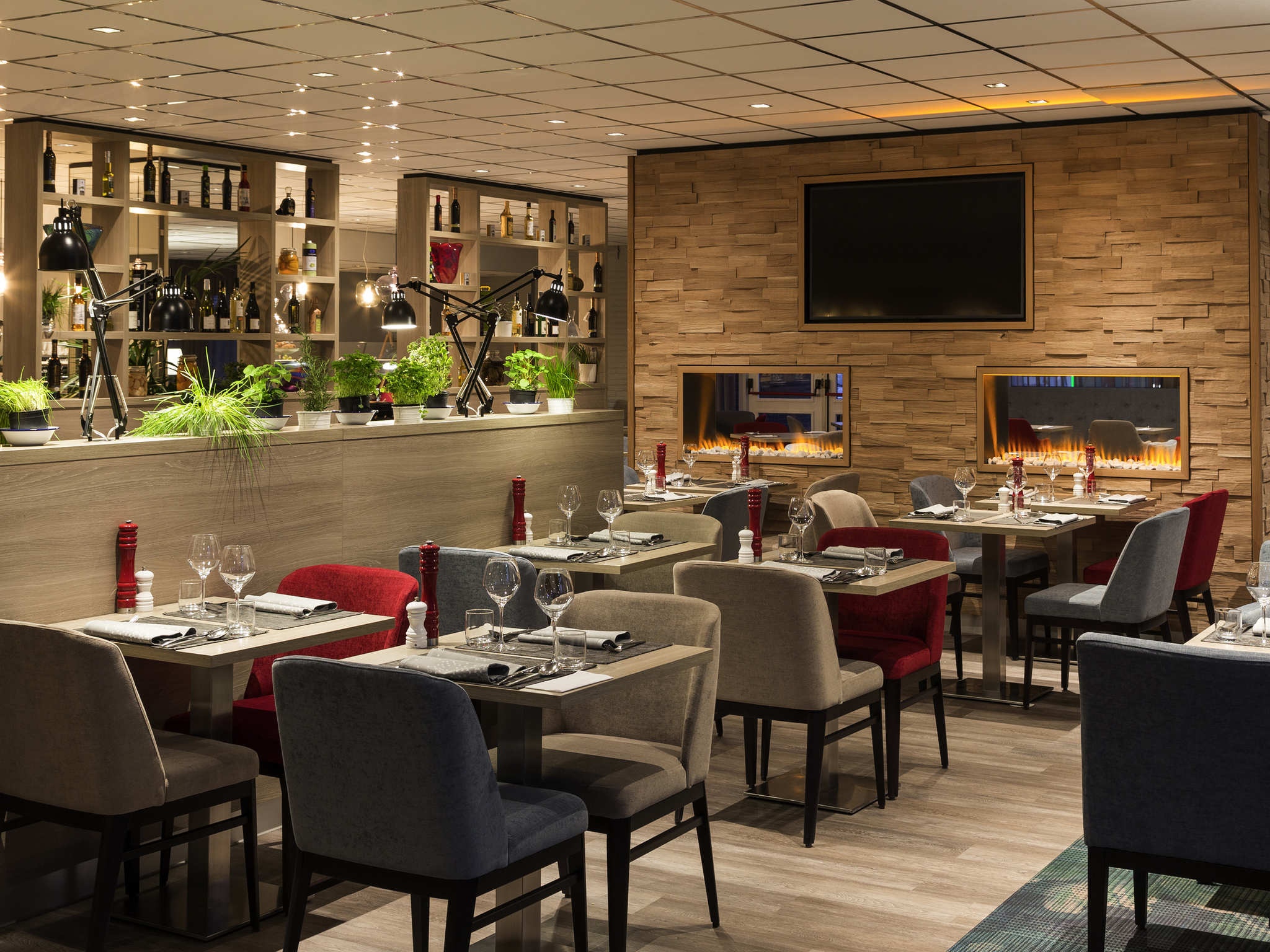
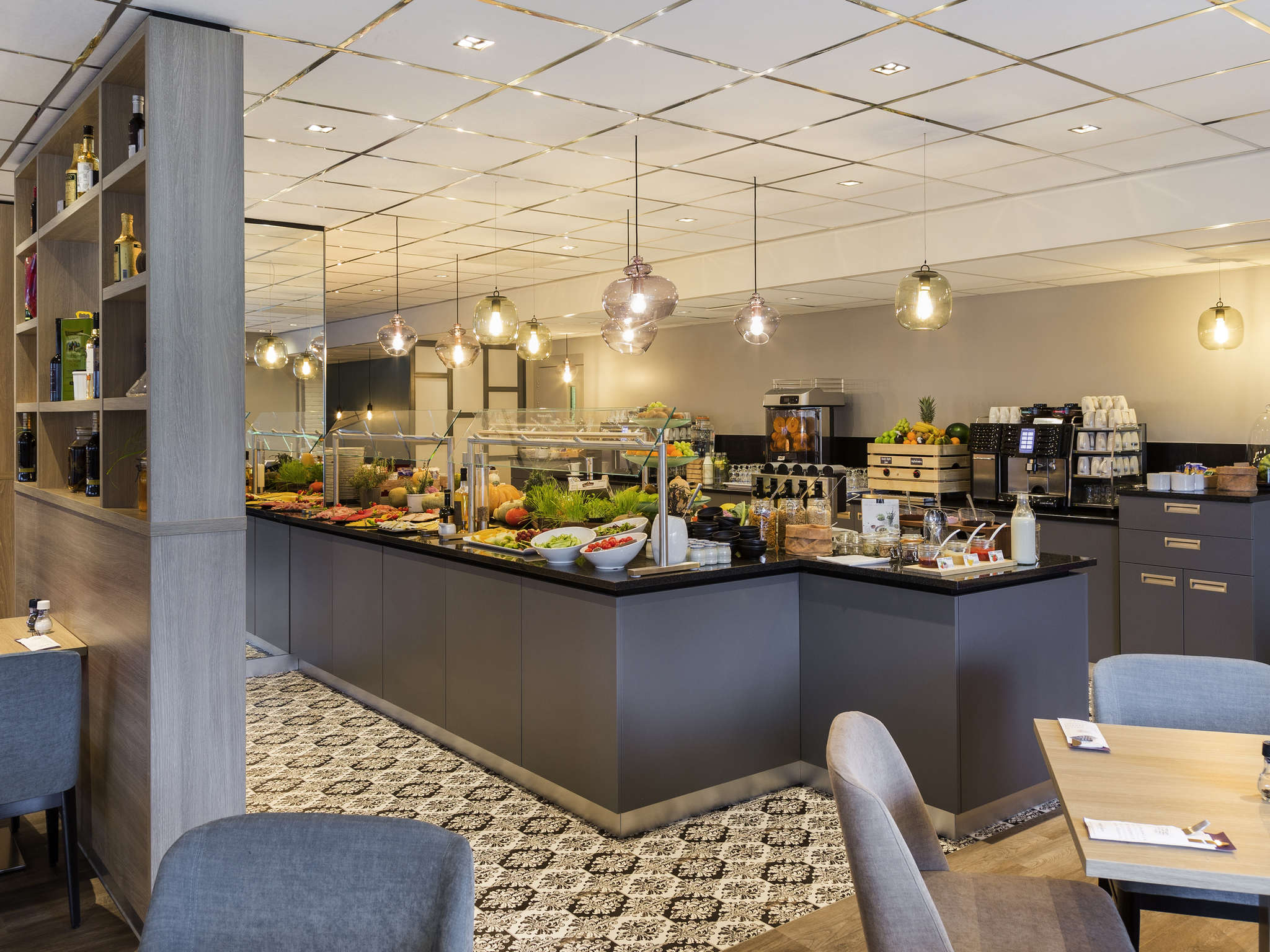
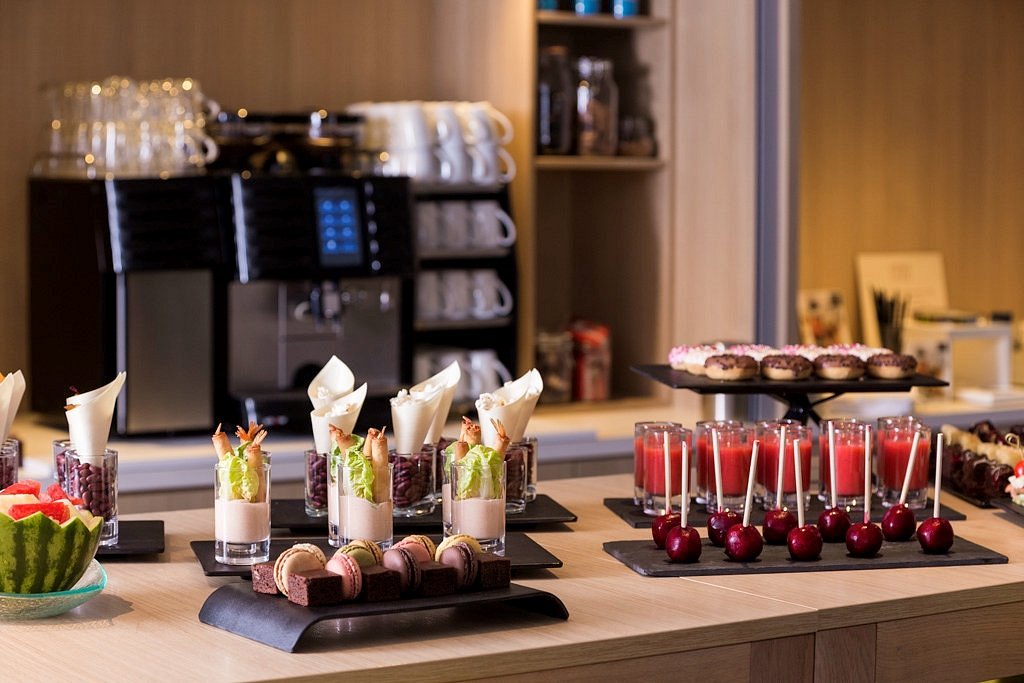
Enjoy world-class hospitality with premium services and modern amenities designed for your comfort.

Meet the distinguished speakers who will share their expertise and insights during the conference.
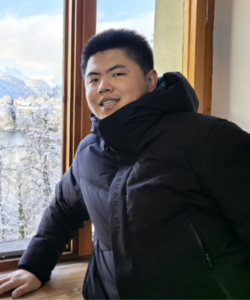
China
China
Chinese Academy of Agricultural Sciences
Title: Carbon materials facilitating smarter agricultural waste management for advanced environmental sustainability: 3D—0D
Abstract: Utilization of agricultural wastes for value-added products is essential for achieving sustainable development goals and carbon neutrality. The annual production of agricultural wastes in China is about 3.9 billion tons, with crop straw accounting for 19%, and livestock and poultry manure accounting for 67%. Currently, biological methods such as anaerobic digestion and humification are the primary approaches for agricultural resource utilization, leading to the production of biogas and fertilizer. However, these methods are inefficient, and often encounter failure owing to the physiological limitations of the microbes involved. Carbon materials, ranging from 3-dimentional (3-D) to zero-dimensional (0-D), can act as enhancers of the microbial biochemical processes. In our study, biochar, the 3-D carbon material produced from chicken manure, increased the methane content (70%) of biogas while reducing the carbon dioxide and hydrogen sulfide contents. Biochar prepared from lignin-based raw materials displayed suitable physico-chemical properties that could enrich syntrophic fermentation bacteria, promoting direct interspecies electron transfer (DIET) and increased methane production. In another of our study it was seen that magnetic biochar loaded with MnO2 increased cumulative methane production from kitchen waste by 24.32%. The redox capability of magnetic biochar enhanced the capacitance and promoted microbial enrichment and their electron transfer processes. In a separate study we observed that introducing biogas residue biochar into pig manure compost helped reduce NH3 emissions while storing more nitrogen in the compost matrix. Carbon quantum dots (CQDs) are a type of quasi-zero-dimensional carbon nanomaterial with remarkable fluorescence properties. In one of our more recent studies, we developed nitrogen-doped CQDs that behaved like n-type semiconductors, increasing cumulative methane yield by 1.9 times by enhancing metabolic pathways for methane production and coenzyme F420 biosynthesis. The technologies developed by our lab have been successfully applied in multiple locations and scenarios across China, and have received wide-spread attention and coverage from mainstream media. At present we are focused on deciphering the intrinsic mechanistic pathways such that they can be stimulated for further enhancement of the functionality of carbon materials for smarter agricultural waste management for advanced environmental sustainability
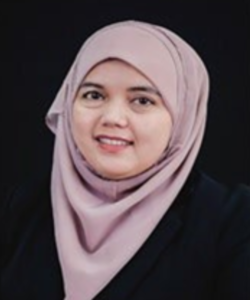
Malaysia
Malaysia
Universiti Teknologi MARA (UiTM)
Title: Surface functionalization of polypropylene with graphene oxide (GO) from
pyrolysed tire waste: toward breathable and antibacterial biointerfaces
Abstract: The development of sustainable antibacterial textiles with strong interfacial functionality
remains a challenge. This study presents a sustainable approach to fabricating
antibacterial nonwoven polypropylene (PP) fabrics
functionalized with graphene oxide (GO) synthesized from recovered carbon black (rCB)
derived from pyrolyzed waste tires, offering a cost-effective alternative to graphite-based
GO. An alkaline-oxidative pretreatment was applied to improve GO adhesion on the
hydrophobic PP surface. Raman spectroscopy revealed an ID/IG ratio of 0.82, indicating a
high oxidation degree. FTIR and FESEM-EDX confirmed chemical interactions and
uniform GO dispersion. The functionalized PP-GO fabrics demonstrated antibacterial
activity with inhibition zones of 11.6 +- 1.85 mm against Escherichia coli and 11.5 +- 1.37
mm against Pseudomonas aeruginosa, showing 25–35 % enhancement compared to
untreated fabrics. Air permeability (190.07 mm/s) and porosity (75.69 %) were maintained
within wearable comfort standards. This work introduces a novel waste-to-functional textile
platform through interface engineering, enabling durable antibacterial performance and
contributing to sustainable and breathable protective fabrics for healthcare use.

Brazil
Brazil
Federal University of Paraíba
Title: Market Structure and Spatial Dynamics of Sugarcane-Based Bioelectricity Supply in Brazil: Empirical Evidence for a Circular Economy
Abstract: The integration of renewable energy systems with waste management has become a
strategic pillar for advancing the circular economy, environmental sustainability, and
evidence-based decision-making by policy-makers aimed at mitigating greenhouse gas
emissions. In Brazil, sugarcane-based bioelectricity stands out as one of the most
consolidated waste-to-energy pathways, converting agro-industrial residues from the sugar
and ethanol industry into renewable electricity. Despite its growing relevance in the
national energy matrix, the literature still lacks integrated analyses that jointly address
market structure, supply concentration, spatial dynamics, and the spatio-temporal
persistence of production clusters, which are critical for designing sustainable and inclusive
energy and waste policies. This study examines the market structure and spatial dynamics of sugarcane-based bioelectricity supply in Brazil, providing empirical evidence to support integrated
renewable energy and waste management planning under a circular economy and
sustainability perspective. The analysis covers the period from 2000 to 2024 and is based
on official data on granted capacity and the geographic location of operating plants.
Methodologically, the study combines three complementary analytical approaches. First,
supply concentration and market structure are assessed using classical Industrial
Organization indicators, including the Concentration Ratio (CRk), the Herfindahl–
Hirschman Index (HHI), the Theil Entropy Index, the Comprehensive Concentration Index
(CCI), and the Hall–Tideman Index (HTI), applied at different territorial scales. These
indicators allow a detailed characterization of concentration levels, market
competitiveness, and the distribution of installed capacity across regions and production
hubs. Second, Exploratory Spatial Data Analysis (ESDA) is employed through Global Moran’s I,
Local Indicators of Spatial Association (LISA), and bivariate spatial autocorrelation
techniques to identify spatial dependence, regional clusters of high and low generation
capacity, and associations between bioelectricity supply and human development
indicators. Third, spatial and spatio-temporal Scan statistics are applied to detect
statistically significant and persistent clusters over time, enabling the identification of
structural hotspots and long-term spatial trajectories in the expansion of sugarcane
bioelectricity. The results reveal a highly concentrated market structure at national and regional levels,
with a strong dominance of the Center-South regions of Brazil, while more disaggregated
territorial scales exhibit relatively higher dispersion and competitiveness. ESDA results
indicate the consolidation of high-capacity clusters in regions with higher socioeconomic
development, whereas extensive areas in the North and Northeast remain weakly
integrated into waste-to-energy systems. Scan statistics confirm the spatio-temporal
persistence of major generation hubs, reinforcing the existence of path-dependent
structural and locational factors shaping the diffusion of bioelectricity. Bivariate analysis
further shows a positive spatial association between installed capacity and human
development levels, particularly after 2010. Overall, the findings indicate that while sugarcane-based bioelectricity effectively supports waste valorization, greenhouse gas mitigation, and resource efficiency, its territorial expansion remains uneven. The integration of Industrial Organization concentration
indices, spatial analysis, and Scan statistics provides a robust analytical framework to
Brazil
Brazil
Rural Federal University of Pernambuco
Title: Structural Vegetation Protection provided by Leafless Caatinga During the Dry Season in the Brazilian Semi-Arid region, a climate change spot
Abstract: The Caatinga, as nominated the Brazilian shrub during the dry season to survive temporally
lost its leaves to save water, remaining physiologically actives. During the dry season, this plant
has only stems, branches, and roots for eight to nine months. What protection during the dry
season promotes the deciduous plants from Caatinga to soil and environment? Do stems and
branches offer environmental coverage and protection during initial rainfall events? Searching
for an answer to these questions: sixteen simulated rains during the Brazilian semi-arid dry season
evaluated the structural effects of stems, branches and litter from Caatinga, as well as bare soil.
The isolated stems and branches, as well as those combined with the litter effect, reduced flow
velocity and increased hydraulic resistance. Structural vegetative elements from Caatinga, such
as litter (fallen leaves on the soil surface), stems, and branches, produced hydraulic resistance,
increasing environmental protection against overland flow through transitions from bare soil to
litter alone, stems alone, and stems and branches with a litter layer. This progressive increase in
surface roughness protects the soil and environment from rainfall erosivity, overland flow
hydraulic action, and inter-rill erosion. Therefore, even under the stress of the dry season, through
its structural adaptations, the Caatinga, as part of the semi-arid ecosystem, remains ecologically,
physiologically, and hydrologically functional.
Early registration is now open. Take advantage of discounted rates by registering before the deadline.
137 Haldane Road, E6 3JW, London, United Kingdom
+44 330 808 1939
contact@innovatexconference.com
We’re here to help. Reach out to our team for inquiries, support, or collaboration opportunities—we’ll respond promptly.