Poland
Poland
Cracow University of Technology
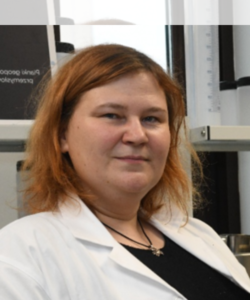
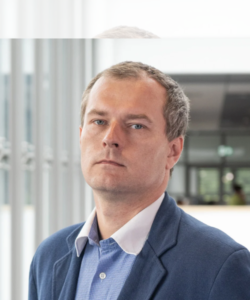
Kinga Korniejenko is an Associate Professor at the Cracow University of Technology (CUT), Faculty of Materials Engineering and Physics, Chair of Materials Engineering. She holds Ph.D. degrees in Management (Jagiellonian University) and Materials Engineering (Cracow University of Technology), with expertise in geopolymer composites and sustainable construction materials. Her research focuses on the development of environmentally friendly materials and technologies supporting sustainable development and the circular economy. Her main scientific interests include waste valorization, low-carbon geopolymer materials, biomass and industrial by-product utilization, sustainable construction materials, environmental aspects of materials engineering, and additive manufacturing technologies for construction applications. In recent years, she has been actively involved in research on geopolymers incorporating various waste streams, including biomass-derived materials, as well as 3D printing of sustainable cementless composites. Korniejenko is the author and co-author of more than 250 scientific publications, including over 160 papers indexed in the Scopus database (H-index 31; more than 3,000 citations). Her research contributes to the development of innovative solutions for waste management, resource efficiency, and environmentally responsible technologies. She has extensive experience in coordinating national and international research projects and collaborating with industry on applied R&D activities. She also serves as an expert and evaluator in national and international funding programmes, including Horizon Europe, and as a reviewer for numerous international journals. Prof. Korniejenko was included in Stanford University’s list of the World’s Top 2% Most-Cited Scientists in 2022, 2023, and 2024.
Malaysia
Malaysia
Taylor's University
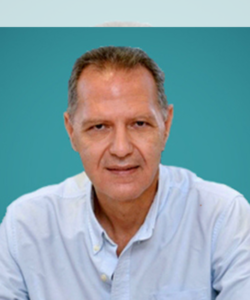
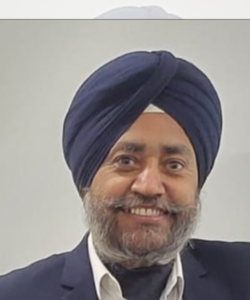
Lin Woon Leong is an accomplished academic and researcher specializing in business ethics, sustainability, corporate social responsibility (CSR), corporate political strategy, circular economy, and emerging technologies such as blockchain. Currently serving as Associate Professor and Director of the Sustainability Hub at Taylor's University, he also leads the DBA program within the Faculty of Business and Law. Holding a Ph.D. from Universiti Putra Malaysia and an MBA from University of East Anglia, Dr. Lin has built a distinguished academic career marked by strong leadership and impactful multidisciplinary research. His scholarly work spans sustainable development, green technology innovation, clean energy, entrepreneurial education, and the economic implications of the COVID-19 pandemic, particularly within Asian and G7 contexts. With more than 42 publications indexed in ABS, SSCI, and Scopus journals, an H-index of 21, and over 1,300 citations, Dr. Lin has established a significant global research presence while actively promoting sustainable education and responsible management practices across ASEAN nations.
France
France
University of Paris Nanterre
Oman
Oman
University of Nizwa
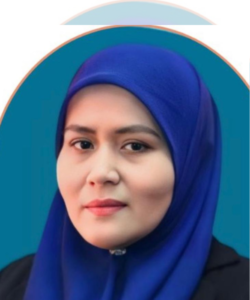
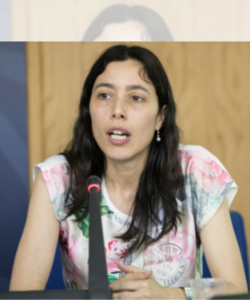
Anwar Ahmad is an Environmental Engineer and currently Professor in the College of Engineering and Architecture and Deptt. of Civil Engineering, University of Nizwa, Sultanate of Oman. Before, he was appointed as a professor, in King Saud University 2012-2018. Also worked in University Malaysian Pahang (Faculty of Engineering and Earth Resources) in 2009- November 2011; Jamia Millia Islamia University 2000-2007. More than 100 research paper published in high impact journal and conferences, NATURE Index J. published, 15 patents (Two US Patents), five gold medal, three silver and two bronze, 67 national and international conferences attended, edited proceedings and Documented Research reports More than 47 Ph.D and Master students completed degrees under his supervision. He completed more than 35 projects at national international levels and actively involved in many collaborations with industries, universities and academicians. He organizes a number of training programs, workshops and seminar symposia for the benefits of practicing engineer and professionals. Current research areas: Advancing sustainability through smarter waste management & climate carbon mitigation action. Wastewater electrolysis for bioenergy, electricity, hydrogen and sustainable energy production, established industrial high demand research center (national innovation center, sustainable design and design renewable energy sources), Industrial ecology and sustainability approach for energy and materials decarbonation flow production and environment, Assessment carbon sustainable development
Italy
Italy
University of Trento
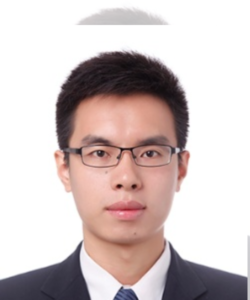
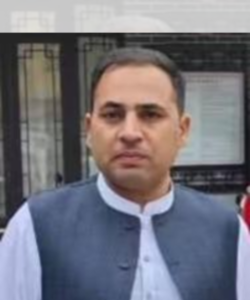
Mawloud Guermoui is a researcher at the University of Trento. His research interests include artificial intelligence, deep learning, AI agents, energy transition, hydrogen production, forecasting, energy resource mapping, and decarbonization. His current work focuses on the application of advanced AI methods to sustainable energy systems, with particular interest in hydrogen pathways, renewable energy assessment, and data-driven approaches for supporting the transition to low-carbon energy systems.
South Korea
South Korea
Yonsei University
Fatemeh Boshagh is a chemical engineering academic with over 10 years of experience in research and higher education. She is currently a researcher at Yonsei University, Seoul, South Korea. She has contributed extensively to the academic community as an editor and reviewer for scientific journals and as a member of technical program committees for international conferences. Her research focuses on bioenergy production from biowastes and the desulfurization of fossil fuels to develop sustainable and environmentally friendly energy solutions.
UAE
UAE
University of Sharjah
Professor Dr. Ali Ahmad Ghaleb Al-Barakat is a Distinguished Professor of Curriculum and Instruction with a specialization in Early Childhood Education at the University of Sharjah. He is recognized as a leading expert in education for sustainability, early childhood pedagogy, and curriculum development. He earned his Ph.D. in Early Childhood Education (Language Education) from the University of Huddersfield, United Kingdom, and has progressed to the rank of Professor since 2010. Throughout his academic career, he has led major curriculum reform initiatives, particularly in early childhood and primary education, with a strong emphasis on integrating sustainability concepts, environmental awareness, and future-oriented skills into teaching and learning practices across Jordan and the United Arab Emirates. Professor Al-Barakat has an extensive research portfolio with more than 150 publications indexed in Scopus and Web of Science (Q1 journals), focusing on sustainability education, environmental literacy, digital learning, and the integration of emerging technologies such as artificial intelligence in education. His scholarly work highlights the role of early education in fostering sustainable thinking and responsible citizenship among young learners. He is a recipient of several prestigious international awards, including the Khalifa Award for Education (2024) and the Hamdan Bin Rashid Al Maktoum Award for Distinguished Educational Research (2022). He also serves in key academic leadership roles at the University of Sharjah and as an editorial board member and reviewer for leading international journals, reflecting his global standing as a scholar in sustainability-focused education.
Oman
Oman
Sultan Qaboos University
Dr. Afzal Husain is an Associate Professor in the Department of Mechanical and Industrial Engineering at Sultan Qaboos University, Sultanate of Oman. He earned his Ph.D. in Mechanical Engineering, specializing in Thermodynamics and Fluid Mechanics, from Inha University, Incheon, South Korea. His multidisciplinary research focuses on thermofluids, with sustained contributions in microfluidics, electronics cooling, micro-scale heat transfer enhancement, renewable energy systems, waste heat recovery, and solar energy systems. His expertise extends to flare gas recovery, green hydrogen, and integrated energy systems, and he has led and contributed to several funded projects in these areas. His work integrates experimental research, computational fluid dynamics, thermodynamic modeling, and techno-economic analysis to develop high-efficiency, sustainable solutions for energy conversion and process optimization. He has published over 100 scholarly works in peer-reviewed journals and conference proceedings, garnering more than 1560 citations, with outputs appearing in high-impact international journals and widely recognized for their applicability to sustainable energy engineering and next-generation industrial processes.
Malaysia
Malaysia
University of Malaya
Dr. Suresh Sagadevan is working as an Associate Professor and Head for International
affairs in Nanotechnology & Catalysis Research Centre, University of Malaya, Malaysia. He
has achieved substantial and impactful research milestones. He has been top 2% scientist in the
world from 2020, 2021, 2022, 2023 and 2024. He was recently ranked among the World's Rising
Stars of Science in Malaysia in 2025 and received the Highly Ranked Scholar award from GPS
Scholar in both 2024 and 2025. He was acknowledged with the prestigious award from Japan
Society for the Promotion of Science (JSPS) fellowship, in Japan, (2023). Furthermore, he
received awards as a Fellow of the Royal Society of Chemistry (FRSC) and Charted Chemist
(CChem) conferred by the Royal Society of Chemistry, UK. Other achievements include: Best
paper award from 19th International Conference on Multi-functional Materials and Applications
(ICMMA 2025), held at the Hoseo Graduate School of Venture, Seoul, Korea, from November
27 to 29, 2025, Top Cited Papers in 2022–2023 in the Section “Catalytic Reaction Engineering”
Catalysts Journal (2024). Besides, he secured many awards such as Certificate of Excellence,
University of Malaya (2023), Highly Cited Researcher (Science) from, the University of Malaya
(2022), Published papers in the top 10% of Web of Science (WoS) Indexed Journals (2025,
2024, 2023, 2022), Highly Cited Special Issue (Guest Editor) (2023), JMMP Award (2021),
Best Scientific Researcher, Best Academic Researcher Award, Indian Spectrophysics
Association (ISPA) award, Young Researcher Award, Best Faculty Award, and so on.
He has filed three patents and authored numerous articles in Web of Science (WoS)
indexed journals, with over 14,000 citations and an h-index of 52 according to WoS. He has
authored 15 international book series and 85 book chapters. As for research, he has contributed
to his performance by conducting excellent research and securing national/international grants.
He has shown an exemplary role that actively participating in professional bodies, government
agencies, and other bodies. He was also invited as a committee member of many scientific
associations, an assessor for PhD and MSc programme, a promotional assessor in several
universities, PhD/MSC thesis examiner. With the teaching experience of more than 15 years, he
has been teaching in various subject in undergraduate and postgraduate levels. The supervision
of more than PhD/Master students is another proof of his strength. This overall contribution to
research, teaching, and leadership are strengths. He has also been invited as an invited speaker
for several conferences. Additionally, he was also invited as the keynote speaker and guest
lecturer in several conferences which demonstrates an excellent track record for his involvement
in scholarly activities. He is an Editor, Guest Editor, and Editorial board member of many
reputed ISI journals. He has been a recognized reviewer for many reputed journals. Indeed, he
is working in various fields such as Nanofabrication, functional Materials, graphene, polymeric
nanocomposite, thin films for solar cells, supercapacitor, optoelectronics, photocatalytic, and
biosensor applications.
China
China
Hong Kong Baptist University
Jonathan Wong is an Academician of the European Academy of Sciences and Arts, Clarivate Highly Cited Researcher 2024, a top 2% scientist in biotechnology in Stanford University Ranking since 2022, and ScholarGPS Global ranking #1 in Food Waste Research since 2024. He is currently a Top Talent Professor and Director of the Research Center for Eco-Environmental Engineering of the Dongguan University of Technology, Professor Emeritus of the Hong Kong Baptist University, Visiting Professor of RMIT University and Murdoch University and Director of the Hong Kong Organic Resource Centre. He is also members of the Advisory Board of Malaysia Palm Oil Board, Fellow of the International Bioprocessing Association and Founding Fellow of the Hong Kong Institute of Environmental Professionals. His research expertise is in the area of solid waste management with specialization in waste bio-circular economy and waste biomass valorization for energy and added value products. He has published over 550 SCI publication and conference proceedings with citation of > 31350 and H-index of 94. Jonathan has been appointed as a member of a number of Government’s advisory committees including the Town Planning Board, Advisory Committee for Northern Metropolis, and Green Tech Fund. He was bestowed with Medal of Honor and Bronze Bauhinia Star by the Government of Hong Kong Special Administrative Region respectively in 2011 and 2022 for his service and contribution to the Hong Kong environment and appointed as Justice of Peace in 2013.
Oman
Oman
University of Nizwa
Mohammad Abu Kausar obtained his Master’s degree from G. B. Pant University of Agriculture & Technology, Pantnagar, India, MBA (IT) form Symbiosis, Pune, India, Ph.D from Jaipur National University, India. He is currently the Assistant Professor of the Department of Information Systems. Prior to his current position, he worked as Assistant Professor & Software Engineer. Dr. Mohammad Abu Kausar’s expertise and research interests are in the field of Information Retrieval, Web application, Programming Languages, and Database. Dr. Mohammad Abu Kausar is the member of many associations like Computer Society of India (CSI), IEEE, International Association of Engineers (IAENG), The World Association of Technology Teachers (WATT), Computer Science Teachers Association (CSTA), The Institute of Computer Science, Social Informatics and Telecommunication Engineering (ICST), International Society on Multiple Criteria Decision Making (MCDM), Universal Association of Computer and Electronics Engineers (UACEE).
China
China
Huazhong University of Science and Technology
His research focuses on materials analysis, performances evaluation and environmental impacts of road infrastructure. He was sponsored by the China Scholarship Council for a joint Ph.D. program at the Department of Civil and Environmental Engineering, Norwegian University of Science and Technology (NTNU). He has published over 40 SCI-indexed papers in internationally renowned journals, including 18 as first author or corresponding author.
UK
UK
University of Wolverhampton
Tohid Borhani earned his PhD in Chemical Engineering with a specialisation in carbon capture in 2014. Since then, he has held academic and research positions at several leading institutions, including the University of Wolverhampton, Heriot-Watt University, Cranfield University, the University of Sheffield, and Imperial College London. He has contributed extensively to the field of Net Zero technologies, publishing over 65 peer-reviewed journal papers with more than 3,700 citations and an H-index of 30. His expertise spans four main areas
USA
USA
University of Kansas
Ayo Olasupo. I received my Bachelor of Technology in Pure and Applied Chemistry from Ladoke Akintola University of Technology, Nigeria, in 2012, my BSc Honours in Chemistry in 2016, and my Master of Science in Environmental Geochemistry in 2018, both from the University of the Witwatersrand, South Africa. I completed my PhD in Environmental Chemistry in 2022 at Universiti Sains Malaysia. I am currently a Research Associate at the University of Kansas, Lawrence, Kansas, United States of America.
Greece
Greece
Agricultural University of Athens
Serkos A. Haroutounian is professor of Chemistry at the Agricultural University of Athens, Greece and Senior Vice-President of the Executive Committee for Europe & Central Asia of Food Agricultural Organization (FAO) of the United Nations. His research is focusing on Circular Economy with special interest on the valorization of Natural Bioactive Compounds, for the development of food additives, functional foods, biocides and medicines. He has authored 192 scientific articles published in international scientific journals, 11 book chapters and holds 2 patents, with more than 6.500 literature citations. He has successfully coordinated the implementation of 36 research projects concerning the mitigation of climate change consequences and the development of novel functional foods and bioactive preparations. His LIFE project DIONYSOS for the management of winemaking residues was awarded as best of the best environmental project of EU for the year 2008. Currently he coordinates three Eu funded projects concerning i) the climate change mitigation, ii) the mediterranean diet and ii) the EU and Greek marine strategies, and national projects concerning i) the development of novel, plant origin materials for cleaning-protection of cultural heritage statues and monuments of Greece, and ii) the certification as PDO/PGI products of eight traditional foods originated from Northern Aegean and Thessaly regions.
Malaysia
Malaysia
Universiti Teknologi MARA (UiTM)
Shafinar Ismail has been Dean of the Faculty of Management & Business at UiTM since May 1, 2025. As an academic scholar, she is actively engaged in teaching, supervision, research, and consultancy in finance. Additionally, she serves on the editorial boards of various international journals and has been appointed as a Visiting Professor in Finance, both domestically and internationally. She is also a prolific workshop speaker, delivering lectures, providing consultancy, and supervising students, receiving positive feedback from both undergraduate and postgraduate students. She has authored over 120 journal articles, 5 books, and more than 100 research papers, including book chapters, conference proceedings, working papers, bulletins, and newspaper articles. Her excellence in research has been recognized through numerous prestigious awards, including the UiTM Malaysia Best Researcher Award (2018) and the UiTM Malaysia Excellent Researcher Award (2021), as well as recognition as the Top Researcher at UiTM Melaka for seven consecutive years. She has also received awards for Outstanding Supervision at UiTM Melaka for six consecutive years, as well as awards for outstanding conference paper presentations and high-impact journal publications. Furthermore, she has supervised 24 postgraduate students and is an active researcher with 36 research grants from international, national, and university sources, totaling RM3 million. She is also involved in consultancy activities with government agencies and industry sectors.
China
China
North China Electric Power University
Mingxin Xu is an Associate Professor and Ph.D. Supervisor at North China Electric Power University (NCEPU), China. He was a recipient of the President’s Award of the Chinese Academy of Sciences and has been a Visiting Scholar at the CanmetENERGY Research Centre, Natural Resources Canada (NRCan). His research focuses on the recycling and high-value utilization of waste new energy equipment, particularly decommissioned wind turbine blades, waste thermosetting composites, and sustainable recycling technologies. His work integrates materials recycling, thermochemical conversion, life cycle assessment, and circular economy strategies to promote resource efficiency and carbon reduction. Dr. Xu has led more than ten nationally and provincially funded research projects, including those supported by the National Key R&D Program of China and the National Natural Science Foundation of China (NSFC). He has published over 50 peer-reviewed papers in leading international journals, including one ESI Highly Cited Paper, and holds more than 30 invention patents. He also serves on the editorial boards of several academic journals and is an active reviewer for numerous SCI-indexed journals. His current research aims to develop innovative technologies for the sustainable recycling of composite materials and to support the transition toward a circular economy and carbon neutrality.
Japan
Japan
Yamaguchi University
Azizul Moqsud is working as an Associate Professor in the Department of Civil and Environmental Engineering at Yamaguchi University, Japan. He was a former visiting scholar at the University of California Berkeley, USA. Prior joining to Yamaguchi University in 2012, Dr. Moqsud also worked in different academic positions at Kyushu University, Saga University in Japan, and Dhaka University of Engineering and Technology, Bangladesh. He received his Ph.D. in Geoenvironmental Engineering from Saga University Japan and his Master's and Bachelor's in Civil Engineering from Bangladesh University of Engineering and Technology and Khulna University of Engineering and Technology, Bangladesh, respectively. “Think Globally but Act Locally and Environmentally Friendly” is the motto of the research in Azizul’s Laboratory. Currently, his major research interests include Bioremediation of microplastics and sanitary landfill ashes, Biocementation for geo-disasters and geoenvironmental applications, Plant Microbial Fuel Cells for sustainable green energy, and Geoenvironmental engineering. So far, he has written more than 140 academic papers, books, and book chapters and has received a remarkable amount of research funds from various prestigious agencies such as Japan Science and Technology (JST) and Japan Society of Promotion of Science (JSPS) for conducting research in the field of sustainable geoenvironmental engineering and green energy. He is serving as an associate editor, editorial board member, and topical editor in various international journals. He has been awarded excellent paper awards, excellent presentation awards at international conferences, and excellent teacher awards throughout his academic career. Dr. Moqsud has been serving as one of the core members of the Geo-Institute of ASCE and JSCE in the Geoenvironmental Engineering Division.
Malaysia
Malaysia
Universiti Malaysia Perlis
Afiqah Radzi is currently a Senior Lecturer at the Faculty of Civil Engineering and Technology, Universiti Malaysia Perlis, Malaysia. She received her Bachelor’s Degree in Civil and Environmental Engineering from Saitama University, Japan, in 2013. She obtained her Master’s Degree in Project Management and Construction from Universiti Malaysia Pahang Al-Sultan Abdullah, Malaysia, in 2021, and completed her PhD at Universiti Malaya, Malaysia, in 2025. Her current research interests include construction project management, decision-making, Building Information Modelling (BIM), and digital twins.
Malaysia
Malaysia
Universiti Malaysia Pahang Al-Sultan Abdullah
Rahimi A. Rahman is an Associate Professor of decision management in construction at the Faculty of Civil Engineering Technology, Universiti Malaysia Pahang Al-Sultan Abdullah (UMPSA). With a Ph.D. in Civil, Environmental, and Sustainable Engineering from Arizona State University, complemented by M.Eng. and B.Eng. degrees in Civil and Environmental Engineering from Saitama University, Japan, Dr. Rahimi's academic journey is marked by rigorous scholarship and global exposure. Dr. Rahimi's research portfolio is extensive, with over 110 peer-reviewed publications in high-impact journals, focusing on decision management in Building Information Modeling (BIM), digital twins, construction technology, and sustainable construction. He has led and contributed to numerous national and international research projects, including developing BIM guidelines for the Malaysia Highway Authority and strategic roadmaps for the Construction Industry Development Board (CIDB). His expertise in BIM is further demonstrated through his role as a certified CIDB BIM trainer and his involvement in consultancy projects to enhance digital construction practices. An active contributor to academic and professional communities, Dr. Rahimi holds editorial positions with several journals. As an Emerald Brand Ambassador for the East Asia region, he fosters academic excellence and knowledge dissemination in engineering fields. His leadership roles extend to serving on the Board of Directors for the Association of Engineering, Project, and Production Management (EPPM) and as a Member Coordinator for ASEAN with the International Council for Research and Innovation in Building and Construction (CIB). Recognized for his research excellence and academic contributions, Dr. Rahimi has received multiple awards, including the Outstanding Reviewer Award from the Journal of Architectural Engineering and Excellent Paper Awards at international conferences. His professional affiliations include the Malaysia Board of Technology (MBOT) and Malaysia BIM Association membership. Dr. Rahimi's vision is to drive innovation and sustainability in the construction industry through research, education, and industry collaboration.
USA
USA
Georgia Southern University
Prakash Bhoi is serving as an Associate Professor (Tenured) in Mechanical Engineering Department at Georgia Southern University, Statesboro, GA, USA. Dr. Bhoi received his PhD degree in Biosystems Engineering from Oklahoma State University, Stillwater, OK, USA. He has more than 25 years of experience in teaching, research and industry. His specific areas of research are focused on carbon-neutral or carbon-negative hydrogen production, decarbonized energy technologies, zero-carbon alternative fuels such as sustainable aviation fuel (SAF), methanol, syngas and bio-oil, biomass gasification, catalytic fast pyrolysis of biomass, CO2 utilization for fuels production, and techno-economic analysis (TEA) and lifecycle analysis (LCA) of clean energy technologies and modeling of thermochemical conversion technologies. He has published more than 30 peer-reviewed journal papers and presented over 50 oral/poster presentations at international conferences. Dr. Bhoi is an ANL Certified GREET Model trainer.
China
China
Shandong University
Zhen Hu is currently a Professor at the School of Environmental Science and Engineering, Shandong University, China. His research focuses on ecological wastewater treatment, advanced wastewater treatment and reuse, and sustainable water management, with particular emphasis on constructed wetlands, biological-ecological coupling systems, biological nitrogen and phosphorus removal, greenhouse gas mitigation, and water ecological safety. He has published over 80 papers as first/corresponding author in peer reviewed journals such as Environ. Sci. Technol. and Water Res. He has been authorized 10 Chinese patents and 1 U.S. patent. He was selected as the National High-level Young Talents of China, as well as the Outstanding Young and Middle aged Scholars of Shandong University. At present, he served as Editorial Board Member of Water Cycle, Water Science and Technology, as well as Youth Editorial Board Member of Journal of Environmental Science, and etc.
Malaysia
Malaysia
Universiti Tunku Abdul Rahman
Yamuna Munusamy is a Professor at Universiti Tunku Abdul Rahman (UTAR), Malaysia, specializing in polymer engineering, green polymers, thermal energy storage materials, waste management, biodegradable polymers, and environmental technologies. She obtained her PhD in Polymer Engineering from Universiti Sains Malaysia and has served at UTAR since 2010. Her research focuses on sustainable polymer materials, recycling technologies, wastewater filtration membranes, thermal energy storage systems, and bio-based composites. Professor Yamuna has led and collaborated on numerous academic and industrial research projects funded by agencies and industries including FRGS, PETRONAS, KOSSAN, and industrial partners. She has published extensively in high-impact journals and conference proceedings, with research contributions in polymer composites, graphene-based membranes, nitrile rubber technology, and sustainable materials engineering. She also holds granted international patents related to polymer membrane and rubber recycling technologies. In addition to research, she actively contributes to academic leadership, professional bodies, and community engagement initiatives related to STEM education and sustainability. Her innovations have received multiple international and national awards, including gold medals at innovation exhibitions and recognition for impactful academic-industry collaborations.
China
China
China University of Petroleum
Saleem T. Al-Absi is a PhD researcher in Chemical Engineering at China University of Petroleum (East China), Qingdao, China. His academic and research activities focus on sustainable biomass conversion, catalytic oxidation of renewable feedstocks, process simulation, techno-economic assessment, and environmental sustainability analysis of bio-based chemical manufacturing systems.
France
France
Université des Antilles
Mounim Lebrini is a Full Professor in materials chemistry at Université des Antilles, Director of the Bachelor’s degree in Physics-Chemistry, and head of a research team. He is also actively involved in several academic boards and committees, contributing to university governance. His research focuses on interface physico-chemistry, materials corrosion, and the development of sustainable solutions for environmental applications. Specializing in tropical environments, he develops innovative approaches for biomass valorization—particularly sargassum algae—for materials protection and environmental remediation, addressing major issues such as chlordecone pollution. Author of more than 60 international scientific publications, he contributes to the advancement of research and the development of solutions tailored to Caribbean territories, while being strongly committed to teaching and supervising undergraduate, graduate, and doctoral students.
Kazakhstan
Kazakhstan
Al-Farabi Kazakh National University
Marzhan Kozhakhmetova is a young scientist with a PhD in biotechnology and a senior lecturer in the Department of Biotechnology, Faculty of Biology and Biotechnology, at Al-Farabi Kazakh National University. Her h-index according to Scopus is 5. She received her professional education at Al-Farabi Kazakh National University, specializing in Biotechnology. She subsequently defended her dissertation for a PhD in biotechnology. Kozhakhmetova's primary research interests include environmental microbiology and environmental biotechnology. Her previous research focused on dairy microbiology and coal microbiology. In recent years, coal and microorganisms, as well as their interactions in the context of bioconversion, bioenergy, and the development of biotechnological solutions to reduce the carbon footprint, have become key research subjects. Kozhakhmetova has over six years of experience participating in research projects. She is the author of 25 scientific publications in Russian and international journals devoted to microbiology and coal biotechnology. Eight of these articles were published in international scientific journals indexed in the Scopus database, including highly ranked publications such as Scientific Reports (92% percentile, SJR 0.9), Engineered Science (91% percentile, SJR 0.87), and the International Journal of Hydrogen Energy (93% percentile, SJR 1.318). M.. Kozhakhmetova's research findings are of significant scientific and practical significance and are aimed at developing biotechnological methods for processing carbon-containing raw materials, creating microbial technologies for the environmentally friendly use of natural resources, and developing innovative approaches to reducing anthropogenic impact on the environment.
UK
UK
Edinburgh Napier University
China
China
Tianjin University
Dr. Jia Hongjie, Professor at School of Electrical and Information Engineering, Tianjin University. His research speciality is power system stability assessment, integrated energy system, smart grid, distributed generation and renewable energy, etc. In such areas, he published more than 400 journal/conference papers, and held more than 30 patents. He is principal investigators of more than 20 projects. His doctor thesis was awarded as the National Excellent Doctoral Dissertation of P.R.China in 2004. He was awarded as one of the Program for New Century Excellent Talents in University by the Chinese Ministry of Education in 2005, China Youth Science and Technology Award in 2013, Qiushi Outstanding Youth Award in 2015, National Science Fund for Distinguished Young Scholars in 2016, Cheung Kong Scholar Chair Professor in 2017, State Council Expert for Special Allowance in 2018 and National Talent Award in 2019. He is the Deputy Editors-in-Chief of IET Energy Systems Integration, also the Associate Editor of the following journals: IET Generation, Transmission & Distribution, Journal of Modern Power Systems and Clean Energy, and Alexandria Engineering Journal.
France
France
Institut des Sciences Chimiques de Rennes
Abdeltif Amrane is an Exceptional-Class Professor at ENSCR (École Nationale Supérieure de Chimie de Rennes) and a senior researcher at the Institut des Sciences Chimiques de Rennes (UMR CNRS 6226), France. His expertise lies in environmental and chemical engineering, with a focus on air and wastewater treatment, bioremediation, and advanced pollutant removal technologies. He has supervised numerous PhD students and authored 600+ scientific publications, contributing significantly to sustainable environmental solutions.
China
China
Xi’an University of Science and Technology
Xi’an University of Science and Technology (China). He is professor in the University of Tabriz. He was associate professor in the Ferdowsi university of Mashhad. Top 1% active scientist in Engineering 2016~2024 based on ISC reports. Completed 10 research projects for Iran Natural Gas Company. He worked on heat transfer performance of nanofluid as Ph.D. thesis. He has published, 2 book, 4 book chapter and more than 250 articles in well-recognized journals and proceedings. Editorial board member of 7 scientific journal. Has supervised 12 Ph.D. and more than 47 M.S. students. Dean of the Faculty of Chemical and Petroleum Engineering in University of Tabriz for 4 years. Vice Dean Faculty of Chemical and Petroleum Engineering University of Tabriz for 1 year. Reviewer in more than 200 international journals. h-index of 56 and more than 10866 citations (Dec. 2025, Scopus). Publishing in “Advances in Colloid and Interface Science” with an impact factor of 19.3, Journal of “Nano Energy” IF= of 17.1, “ RENEWABLE & SUSTAINABLE ENERGY REVIEWS” with an IF= 16.3 and other top journals .
China
China
Beijing University of Chemical Technology
Yun Wei is currently a professor at Beijing University of Chemical Technology, specializing in the development of new analytical techniques, materials, and methodologies with a focus on the interrelationships among food, the environment, and human health. With extensive research experience, she has served as a visiting professor at Brunel University, UK (2009.01-2009.04), and the National Institutes of Health, USA (2012.08-2013.08). Her research interests include the design of functional adsorbents for rare earth and heavy metal ions, the development of detection methods for food and environmental safety, and the separation of bioactive compounds from natural products. She has published over 150 research papers, holds 18 national invention patents, and has led or contributed to the development of multiple national standards. She has been recognized through honors such as the Beijing Nova Program and the Ministry of Education’s New Century Excellent Talents award.
Malaysia
Malaysia
Universiti Teknologi MARA (UiTM)
Assoc Prof. Dr. Noor Najmi binti Bonnia is a Senior Lecturer at Universiti Teknologi MARA
(UiTM) and currently serves as Head of Unit (Grant Acquisition) at the Research
Management Centre (RMC), UiTM. She specializes in industrial materials engineering,
polymer science, and sustainable materials development. Her research focuses on green and
industrial polyurethane systems, graphene oxide–based functional coatings, surface
engineering, and advanced polymer composites for construction and medical applications.
Her work emphasizes materials performance evaluation, surface modification, and the
translation of laboratory research into practical, industry-relevant innovations through
collaborative research and prototype development.
Taiwan
Taiwan
National Dong Hwa University
Chun-Hung Lee is a faculty member in the Department of Natural Resources and Environmental Studies at National Dong Hwa University (NDHU), Taiwan. His research interests include ecological economics, community-based ecotourism, sustainability and change, ecosystem service valuation, adaptive capacity, and endangered species conservation, with a focus on environmental governance and community resilience. He has published extensively in SSCI, EconLit, and TSSCI journals, participated in over 40 international conferences, served as principal investigator on numerous projects funded by the Ministry of Science and Technology (MOST) and the Taiwanese government, and held visiting academic positions in the United States and China, receiving multiple research excellence awards.
South Korea
South Korea
Gwangju Institute of Science and Technology
Dr. Bong-Joong Kim is the Dean of the School of Materials Science and Engineering at
Gwangju Institute of Science and Technology (GIST), Korea, where he has been a professor
since 2012. He previously held postdoctoral positions at Brookhaven National Laboratory’s
Center for Functional Nanomaterials (2010–2012) and Purdue University (2009–2010).
Additionally, he served as a visiting scientist at IBM T.J. Watson Research Center (2005–2012).
Dr. Kim earned his Ph.D. in Materials Engineering from Purdue University in 2008. Recognized
for his contributions to academia and research, he has received numerous accolades, including
the GIST Best Lecture Award (2023), the GIST Research Award for the highest impact factor
(2021), a commendation from Korea’s Ministry of Science and ICT (2021), and a Presidential
Award for Promotion of Science and Technology (2025). His research focuses on the design
and synthesis of organic and inorganic nanostructures and the investigation of their properties
in device formats. He aims to advance the controlled growth of nanowires, nanotubes, and
nanoparticles with precision and reproducibility, leveraging their unique properties for
applications in catalysis, electronics, optoelectronics, thermoelectrics, and sensors.
Thailand
Thailand
Burapha University
Professor Jittima Charoenpanich is a biochemist at the Department of Biochemistry, Faculty of Science, Burapha University, Thailand. She has extensive experience in both academic and research administration. She served as Vice-President for Research and Innovation at Burapha University from 2019 to 2025 and previously held several leadership roles, including Assistant President for Research, Head of the Department of Biochemistry, and member of the University Academic Council. At the national and international levels, she has contributed as an expert committee member for laboratory safety standards under the National Research Council of Thailand, an expert reviewer for the National Science Centre (Poland), and a subcommittee member for innovation project evaluation under the National Innovation Agency of Thailand. Her research expertise in environmental biochemistry and enzyme technology focuses on biodegrading toxic compounds, converting hazardous waste into value-added chemicals, and recycling food and agricultural waste for biotechnological applications. Her work addresses key challenges in sustainable waste solutions and contributes to scientific advances in circular economy and environmental protection.
Malaysia
Malaysia
Universiti Tenaga Nasional (UNITEN)
Kumaran Kadirgama is a Professor and research fellow of Advanced Nano Coolant Lubricant Laboratory (ANCoL), UMP. He is a Profesional Engineer registered under the Board of Engineers Malaysia (BEM); and a Charted Engineer (UK) under the Institution of Mechanical Engineers (IMechE). He also a Professional Technologist (P.Tech) of Malaysia Board of Technologists (MBOT). Up to date, he has 18 years’ of experience in teaching and research activities in Universiti Malaysia Pahang (UMP) and University Tenaga Nasional (UNITEN). His expertise is on nanofluid and advanced material. He has also been appointed as Associated Researcher in Nelson Mandela University, South Africa, and appointed as Visiting Professor in Rajarshi Shahu University, India. He also panels for the Malaysian Qualifications Agency (MQA) from 2015 - current. In research, he was involved in the supervision of postgraduate students in Master and PhD levels. So far, he has already graduated numerous students in PhD and Master level. He also published and presented various technical papers and journals at an international and national level. He has an h-index of 31 with a citation of 4312. He has received grants totalling RM 6.02 million from various agencies and institutions. He has won a Gold medal in International Invention, Innovation & Technology Exhibition (ITEX), Seoul International Invention Fair, Korea (SIFF), and British Invention Show (BIS). He also included in top scientist 2% in the world for 2021 and 2022 in individual and career long achievement.
Portugal
Portugal
The University of Manchester
Paulo Sérgio Duque de Brito has a degree in chemical engineering, Processes and Industry
specialization, in the Technical Superior Institute; has a master’s degree in “Corrosion Science
and Engineering” by UMIST, Manchester University; is a PhD in Chemical Engineering, by
the Superior Technical Institute in the electrochemical – on fuel cells. He has also an MBA –
Master of Business and Administration.
Currently, he is Full Professor of the Superior School of Technology and Management of the
Polytechnic Institute of Portalegre (IPP). Is coordinator of the research centre VALORIZA –
Research Centre for Endogenous Resource Valorization and the Coordinator of the Master
Technologies for Environmental Valorization and Energy Production.
The main areas he investigates are related with Bioenergy, waste environmental
treatments, materials corrosion and energy galvanic production.
He has published more than 300 works, in books, articles and conferences presentations.
Hungary
Hungary
University of Pannonia
Viktor Sebestyén is a Senior Researcher at the Sustainability Solutions Research Lab at the University of Pannonia. His degrees are: BSc: Environmental Engineering (2011). MSc: Environmental Engineering (2013), Occupational Safety and Health (2016), Noise- and Vibration Control Engineering (2019), Data- and Systems scientist and AI solution development engineering (2025). He received a PhD degree in Bio, Environmental and Chemical Engineering (2019). His research interest covers a wide spectrum of environmental issues. His profession is the data- and model-driven decision support of the Sustainable Development Goals and other environmental engineering tasks.
Brazil
Brazil
Federal University of Paraíba
Luiz Moreira Coelho Junior is a Brazilian researcher and Professor at the Federal University of Paraíba (UFPB), specializing in applied economics, renewable energy, and sustainability. He holds a PhD in Forest Engineering from the Federal University of Lavras (UFLA) and has professional experience in public policy, academia, and applied socioeconomics research. Since 2013, he has contributed to the development of renewable energy education and research at UFPB, including coordinating the Graduate Program in Renewable Energy. A CNPq Research Productivity Fellow since 2022, his work focuses on the low-carbon economy, energy transition, circular economy, and sustainable development, supporting policy design and innovative business models.
Brazil
Brazil
Rural Federal University of Pernambuco
Professor Jose Ramon B. Cantalice specializes in semi-arid hydrology, watershed management, and sediment transport processes, with particular emphasis on soil use, agricultural pollution, and water quality. His research examines erosion processes across multiple scales: inter-rill, rill, and gully erosion, and their connectivity to broader landscape patterns through lateral sediment and hydrologic pathways.
His work encompasses the hydraulic mechanisms underlying sediment transport, including laminar sheet flow in both vegetated and non-vegetated conditions, as well as river flow dynamics within vegetative patches in the semi-arid environment. Throughout his career, Professor Cantalice has published in peer-reviewed journals and has mentored 17 doctoral candidates and 28 master's students.
Taiwan
Taiwan
National Taiwan Ocean University
Wen-Jer Chang received the B.S. degree from the National Taiwan Ocean University, Taiwan, R.O.C., in 1986. Marine Engineering is his major course, and Electronic Engineering is his minor. He received the M.S. degree from the Institute of Computer Science and Electronic Engineering from the National Central University in 1990 and the Ph. D. degree from the Institute of Electrical Engineering of the National Central University in 1995. Since 1995, he has been with the National Taiwan Ocean University, Keelung, Taiwan, R.O.C. He is currently a Distinguished Professor of the Department of Marine Engineering and the Director of the Center for Social Responsibility and Sustainable Development of National Taiwan Ocean University. In 2014 and 2022, he received the Outstanding Research Teacher Award from the National Taiwan Ocean University. From 2016 to 2020, he was the Dean of Academic Affairs at National Taiwan Ocean University. From 2016 to 2021, he was the Executive Supervisor of the Taiwan Open Courseware Consortium. From 2018 to 2023, he was a member of the council of the Taiwan Fuzzy Systems Association (TFSA). Since 2021, he has been the Chairman of the Association of Marine Affairs. From 2021 to 2023, he was a member of the council of the International Association of Electrical, Electronic, and Energy Engineering (IAEEEE). In 2022, he was elected to the grade of IEEE Senior Member. From 2021 to 2025, he is listed in the “World's Top 2% Scientists”, according to Stanford University. Dr. Chang has authored more than 170 published journal papers and 140 refereed conference papers. His recent research interests are intelligent control, fuzzy control, robust control, marine engineering, and smart shipping.
Spain
Spain
Polytechnic University of Catalonia
Juan Antonio Torrents Arévalo is Associated Professor in the Department of Management at the Polytechnic University of Catalonia (UPC Barcelona Tech), Professor Tutor in Economic Analysis Universidad Nacional a Distancia (UNED , Barcelona), and Tutor in Final Thesis Masters in EAE Business School. (Barcelona) Phd from Polytechnic University of Catalonia (UPC Barcelona Tech) in Management and Business in 2008. Degree in Economics and Business Administration (UB Barcelona University) in 1995.I Graduated in Political Science and Public Administration (UNED Madrid University) in 2015.
Australia
Australia
CQUniversity Australia
Ziyad is an Associate Professor and the Head of the College of Project Management, Built Environment, Asset & Maintenance Management at the School of Engineering & Technology. He earned his Ph.D. in engineering for sustainable development from the University of Cambridge- UK, where his doctoral work was part of the largest collaborative research project between academia and industry in the UK. Dr. Abunada accumulated a wealth of professional experience, having worked in various senior roles such as Program Manager, Procurement Manager, and Team Lead at international firms, including Human Appeal-UK and The World Bank. Additionally, Ziyad has served as an Environmental Specialist and Principal Environmental Consultant on numerous consultancy projects with international organizations like UNICEF and UNEP. Currently, Ziyad leads a research group comprising research higher degree (RHD) students who undertake diverse research projects. Their current research areas encompass a sustainable circular economy for a waste-free future, coupled human-environment interaction, complex management of climate change, life cycle assessment, and engineering for sustainable development. His research also extends to include the application of analytical and decision-making tools and explores the impact of net-zero emission plans on project management frameworks. Ziyad is actively involved in funded research projects in collaboration with the Australian College of Kuwait, Cement Australia, and Queensland Water Department where his research supports these institutions to improve their current practice towards effective and sustainable practices. His research has also attracted international recognition, with his work ranked first and earning him the best research award in environmental management from ISESCO. He has also been awarded the best paper in the Environment Theme at the AINAC 2012 conference in the UAE. Furthermore, Ziyad is currently serving as a member of the Global Accreditation Centre-Project Management Institute- (GAC-PMI) and has active membership at the Institute of Civil Engineering (ICE), the International Centre of Complex Project Management (ICCPM), and the Royal Society of Chemistry-UK. He serves as a peer reviewer for several SCI index journals, including Hazardous Material and the Journal of Environmental Management.
Poland
Poland
Wroclaw University of Economics
Dr. hab. Eng. Przemysław Seruga is a Associate Professor at the Wroclaw University of Economics
and Business, Department of Bioprocess Engineering. He holds a PhD in Food Technology and
Nutrition and a habilitation degree in Environmental Engineering. His research focuses on organic
waste management, anaerobic digestion, circular bioeconomy, and process optimization using Design
of Experiments. He is the author and co-author of over 70 peer-reviewed scientific publications and has
extensive industrial experience in municipal waste treatment, biogas and biomethane plant
development, and large-scale environmental investments. He actively collaborates with industry and
international research partners.
Australia
Australia
RMIT University
Jaswant Singh I am a civil engineer with over 25 years of hands-on experience in the design, construction, and supervision of multi-storey reinforced concrete building structures, road and bridge infrastructure, stormwater drainage systems, and large-scale pavement works across India and Australia. I spent more than two decades as Subdivisional Engineer and Executive Engineer with the Public Works Engineering Department of Punjab, India, where I was directly responsible for the planning and delivery of major public infrastructure projects — preparing structural designs, detailed estimates and bills of quantities, managing contracts, and supervising concrete construction works on site to ensure compliance with national engineering standards. I am currently a VET Lecturer at the School of Engineering, RMIT University, Melbourne, where I teach a broad range of civil engineering subjects including Concrete Technology and Design, Structural Analysis, Fluid Mechanics, Force Systems, Engineering Mathematics, Engineering Drawing, and Construction Project Management. I draw on my extensive industry experience to bring real construction challenges into the classroom, and I apply project-based and problem-based learning methodologies to equip students with the practical skills demanded by the industry. Alongside my teaching, I am completing my doctoral research at RMIT University, where my PhD focuses on the development of low-carbon concrete using industrial by-products and waste materials. I have successfully completed three milestones of my doctoral programme and am on track to submit my thesis by June 2026. My research directly addresses the urgent need to reduce the carbon footprint of the concrete and construction industry through the innovative use of sustainable material alternatives.
Chile
Chile
University of Valparaíso
Gillian Ord is from Canada. She initially began as a scientific diver collecting data of coral
and fish populations in Mexico and Spain. She has completed graduate studies in Marine
Sciences from the University of Cádiz, Spain, and a Master of Science in Oceanography
from the University of Valparaíso, Chile, specializing primarily in physical oceanography.
Her expertise includes hydrodynamic modelling in order to characterize coastal circulation
patterns, identify potential sites for tidal and wave power generation and assess
contaminant dispersion in coastal waters, with published work focusing on heavy metal
distributions (Ord, 2026). She has also co-authored work examining the effects of costal
environmental conditions on the survival of pelagic fish larvae (López‐Soto, 2024) . She is
presently working as a meteo-oceanographic data analyst for an oceanographic consultant
situated in Northern Chilean Patagonia.
Portugal
Portugal
Polytechnic Institute of Coimbra
Carla Ferreira is a researcher at the Polytechnic University of Coimbra, Portugal. She previously held research positions at Stockholm University, Sweden, and Swansea University, United Kingdom. She currently serves as Chair of the International Water Research Association (IWRA) Task Force Land4Flood and as Chair of the Soil System Sciences sub-division “Soil Erosion and Conservation” within the European Geosciences Union (EGU). Until recently, she was a member of the Executive Committee of the CERNAS Research Centre and served as Research Area Leader for Environment and Society. She has participated in numerous national and international research projects—several as scientific coordinator—focusing on soil and water management, land degradation, ecosystem services, and the implementation of nature-based solutions to enhance climate resilience. She also acts as an expert evaluator for major funding programs, including Horizon Europe, and serves on the editorial boards of several high-ranking international scientific journals. In addition, she has contributed to the organization of numerous scientific events and maintains active collaborations with researchers worldwide.
China
China
Yunnan Normal University
Dr. Rawaid Ali received his Ph.D. in Materials Science in 2023 from Kunming University
of Science and Technology, China. He recently completed his postdoctoral research at
Yunnan Normal University, where his work focused on the chemical vapor deposition
(CVD) synthesis of low-dimensional materials for high-performance photoelectric
detection.
He has over five years of teaching experience and two years of laboratory research
assistantship, with strong expertise in mentoring students, experimental design, material
synthesis, and advanced characterization techniques. His research interests center on lowdimensional semiconductor materials, particularly the Sb-Bi-S-Se system, optoelectronic
and photodetector devices, and the integration of experimental approaches with DFT
calculations.
Dr. Ali has published more than 40 papers in high-impact international journals and is
actively engaged in advancing innovative materials for optoelectronic, energy,
environmental, and biomedical applications. His work aims to bridge fundamental
materials research with practical device-level solutions while fostering collaborative and
interdisciplinary research environments.
China
China
Nanjing Agricultural University
Professor Hua Li is the Dean of the College of Smart Agriculture (College of Artificial Intelligence) at Nanjing Agricultural University, as well as a Professor and Ph.D. Supervisor. He serves as a Council Member of the Chinese Society of Agricultural Engineering, Vice Chairman of the Jiangsu Energy Research Society, Council Member of the Jiangsu Society of Agricultural Engineering, Chief Science Communication Expert of Jiangsu Province, and Senior Member of the China Computer Federation.
His research focuses on circular agriculture technologies and intelligent agricultural equipment. He has led or participated in nearly 50 research projects, including those funded by the National Key Research and Development Program of China, the National Natural Science Foundation of China, and major provincial and industry-sponsored programs. Professor Li has published over 100 academic papers and holds more than 50 authorized intellectual property rights. His contributions have been recognized with multiple provincial science and technology awards. He has also co-authored five textbooks and academic monographs.
Malaysia
Malaysia
University of Malaysia, Sarawak
Dr. Rahman is an academic and researcher specializing in pharmaceutical
analysis, analytical chemistry, and sensor technology. He obtained his Ph.D. in
Chemistry from the National University of Malaysia (UKM) in 2021, where his
work began to bridge natural product chemistry with advanced sensor
development. He is currently a full-time lecturer and researcher in the Department
of Chemistry at Universiti Malaysia Sarawak. His multidisciplinary research
integrates chemistry, biotechnology, and materials science to address challenges
in food safety, health diagnostics, and environmental monitoring. Dr. Rahman
focuses on the design and fabrication of chemical, biosensing, and optical sensor
platforms, particularly for detecting biogenic amines, key indicators of food
spoilage and toxicity. His work emphasizes sustainable innovation, including the
development of electrochemical sensor substrates from renewable materials such
as bamboo-derived lignin, nanocellulose, and bio-based polymers. To enhance
sensor performance, he incorporates enzyme-based bioreceptors for improved
sensitivity and selectivity, enabling reliable, low-cost, and eco-friendly analytical
tools suitable for laboratory and field applications.
His academic foundation includes a bachelor’s degree in pharmacy, where he
conducted extensive research on bioactive compounds from medicinal plants in
Indonesia and Malaysia, contributing to pharmaceutical and cosmeceutical
product development. Dr. Rahman is highly skilled in chromatographic and
spectroscopic techniques, supported by chemometric modelling for robust data
interpretation. He has secured multiple national and international research grants,
published extensively in high-impact journals, presented at international
conferences, and serves as a reviewer for leading scientific journals. Driven by
sustainability and public health goals, he aims to advance green sensor
technologies that are accessible, affordable, and impactful, particularly for
developing regions.
China
China
Chinese Academy of Agricultural Sciences