

Thailand
Thailand
Burapha University
Title: Biological reduction of chromium (VI) by marine bacteria Bacillus megaterium under salinity conditions
Abstract: A new strain of Bacillus megaterium isolated from marine sediment in Thailand showed appreciable biological removal of Cr(VI) in high salinity conditions. Dried cells of this bacterium completely removed 30 mg L-1 of Cr(VI) within 7 days at pH 7.0 and room temperature (30 ± 5 °C), with a maximum capacity of 140.84 mg g-1. Scanning electron microscopy (SEM) and transmission electron microscopy equipped with energy dispersive X-ray spectroscopy (TEM-EDS) images revealed a porous structure of bacterial cell surfaces and the noticeable chromium precipitates within bacterial inner portions after Cr(VI) treatment. Kinetic data fits well with a Freundlich isotherm, an intraparticle diffusion model, and a pseudo-second-order reduction model, demonstrating removal mechanism through surface adsorption, intracellular uptake, and enzymatic reduction to the less toxic Cr(III) form. The findings suggest that B. megaterium is a potential candidate for practical bioremediation of industrial effluents containing Cr(VI).

France
France
Université des Antilles
Title: Optimization of the Galvano-Fenton Process for the Degradation of Organic Pollutants: Application to Glyphosate and Hexachlorobenzene
Abstract: Glyphosate and hexachlorobenzene are two environmentally relevant organic pollutants belonging to distinct chemical families, yet both present significant challenges due to their persistence, mobility, and toxicity. Glyphosate, one of the most widely used herbicides worldwide, is frequently detected in surface and groundwater, along with its main degradation product, AMPA. Hexachlorobenzene, a persistent organochlorine compound, is well known for its high chemical stability, bioaccumulation potential, and long-term environmental impact. Conventional remediation techniques, including adsorption on activated carbon and advanced oxidation processes (such as ozonation, photocatalysis, and electro-Fenton), suffer from several limitations, particularly high energy consumption, operational complexity, and the need for continuous chemical inputs. In this context, the Galvano-Fenton process emerges as a promising and sustainable alternative. This advanced oxidation process relies on the coupling of galvanic corrosion and Fenton chemistry, using a zero-valent iron (Fe⁰) anode and a more noble cathode material. The spontaneous oxidation of iron generates Fe²⁺ ions, while the reduction of dissolved oxygen at the cathode produces hydrogen peroxide (H₂O₂), enabling the in situ formation of highly reactive hydroxyl radicals (•OH) responsible for the degradation of organic pollutants. The integration of air cathodes based on sargassum-derived biochar further enhances the process by improving oxygen reduction efficiency while valorizing abundant local biomass. This approach promotes continuous and in situ production of H₂O₂, contributing to the development of a self-sustained, low-cost, and environmentally friendly treatment system. This work focuses on the optimization of the Galvano-Fenton process for the degradation of glyphosate and hexachlorobenzene in various aqueous media, including freshwater, natural water, and saline environments. Particular attention is given to the development of floating biochar-based cathodes and the evaluation of degradation efficiency using appropriate analytical techniques. The ultimate objective is to propose a sustainable, scalable, and energy-efficient solution for the remediation of environments contaminated by persistent organic pollutants.

China
China
China University of Petroleum
Title: Sustainable Tartaric Acid Production via Catalytic Oxidation of Biomass-Derived Glucose: Process Simulation, Techno-Economic and Environmental Assessment
Abstract: The growing demand for sustainable chemical manufacturing has intensified global interest in the development of biomass-derived platform chemicals capable of reducing dependence on fossil resources while minimizing environmental impacts. Tartaric acid (TAR), an important hydroxyl dicarboxylic acid widely utilized in pharmaceutical, food, cosmetic, polymer, and electronic industries, represents a promising bio-based alternative for high-value chemical production. Nevertheless, conventional TAR manufacturing routes remain limited by low selectivity, high energy consumption, catalyst instability, and environmentally intensive downstream purification processes. In this study, an integrated process simulation, techno-economic assessment, and life cycle assessment (LCA) framework was developed to evaluate sustainable tartaric acid production through catalytic oxidation of glucose and gluconic acid using heterogeneous bimetallic catalytic systems. Two industrial-scale process scenarios were investigated using Aspen Plus V14 simulation software. Scenario AUS employed an AuPt/TiO■ catalyst for the oxidation of glucose, whereas Scenario CUS utilized a PtCu/TiO■ catalyst for gluconic acid oxidation under base-free conditions. The proposed process configurations integrated oxidation reactors, flash separation units, crystallization systems, distillation columns, water recycling loops, and carbon dioxide separation units to achieve high-purity TAR production. The techno-economic evaluation included detailed analysis of capital investment, operating costs, revenue generation, and long-term financial feasibility. Although Scenario CUS exhibited higher capital and operational expenditures due to increased downstream separation requirements and energy demand, it demonstrated superior economic performance owing to the enhanced market value of the generated products.
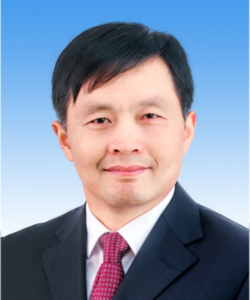
China
China
Nanjing Agricultural University
Title: Life cycle assessment and economic analysis of container composting of food waste in campus canteens
Abstract: The rapid increase in food waste generation poses significant challenges for environmental protection and resource recovery. This study investigates an intelligent in-vessel composting system for the efficient aerobic co-composting of food waste and sycamore leaves. Unlike conventional composting systems that rely largely on manual adjustment, the proposed system integrates real-time sensors for temperature, humidity, and oxygen monitoring within a rotary drum reactor, enabling continuous assessment of the internal composting environment. A fuzzy proportional–integral–derivative (PID) control strategy was further employed to dynamically regulate key composting parameters based on real-time feedback. With the support of this intelligent control system, the composting cycle for one ton of material was shortened from 28 days to 14 days. In addition, a comparative evaluation of the conventional and intelligent composting systems was conducted using life cycle assessment and techno-economic analysis. The results indicate that the intelligent in-vessel composting system improves treatment efficiency, reduces operational costs, and mitigates environmental impacts. These findings demonstrate its strong potential as a scalable and sustainable solution for municipal food waste management.

USA
USA
Georgia Southern University
Title: Environmental Feasibility of Waste Coal and Biomass Co-Fired Power Plants with the Integration of Carbon Capture and Storage Technologies
Abstract: Climate change is a critical global issue, prompting the United States to establish ambitious targets, including achieving net-zero carbon emissions by 2050 and carbon-free electricity by 2035. In 2025, the U.S. utility-scale power plants produced approximately 4.42 trillion kWh of electricity, of which 57% was derived from fossil fuels such as coal, natural gas, and petroleum, which are key contributors to global warming. Co-firing biomass such as forest residues, hybrid poplar, pine,
and switchgrass with waste coal, presents a promising approach for reducing carbon emissions, leveraging biomass's lower carbon footprint and the availability of waste coal which does not require mining activities. Integrating carbon capture and storage (CCS) with biomass and waste coal co-firing could enable net-negative CO2 emissions, further supporting environmental goals. Life cycle assessment (LCA) provides a systematic approach to evaluating the environmental impacts of this co-firing process across its entire life cycle, from raw material extraction to disposal. By evaluating the environmental impacts of co-fired power plants and benchmarking them against conventional electricity generation technologies, LCA provides insights to guide strategies for enhancing their sustainability. In this study, the LCA of 600 MW CFB and PCconfigured power plants have been conducted with waste coal and pine biomass co-firing without and with the inclusion of CCS into the power plants. Specifically, this study will present the effects of biomass and waste coal co-firing ratio (0:100, 20:80, 40:60, 60:40, 80:20 and 100:0), plant capacity (100 and 600 MW), boiler type (PC and CFB), fluid type (subcritical and supercritical) on the lifecycle impact assessment parameters.

Greece
Greece
Agricultural University of Athens
Title: BIOCONVERSION OF SOLANACEAE PLANTS CULTIVATION TOXIC BIOMASSTO SAFE, NUTRITIOUS ANIMAL FEED
Abstract: The Solanaceae plant family includes several agronomically and industrially significant crops, such as potato (Solanum tuberosum L.) tubers and tomato (Solanum lycopersicum) fruits. Despite the well-established global importance and economic value of these edible crops, their voluminous aerial residues remain unexploited. Main drawback prohibiting their valorization is related to their rich content in steroidal glycoalkaloid, compounds toxic to humans and higher animals. Thus, the globally produced in large amounts potato and tomato plant biomasses are currently considered as resource waste and environmental burden. Objective of this study is to investigate the bioconversion potentials of these toxic residues into safe, nutritious animal feed by applying the Solid-State Fermentation (SSF) procedure or the BSF larvae rearing (Black Soldier Fly, Hermetia illucens). For this purpose, substrates containing various portions of Solanaceae toxic plant biomass (0%, 10%, 20%, 40%, 60%, 80%, and 100%) were exploited applying both methods in five replicates. The respective results indicated a sharp decrease of their content in toxic molecules, which was verified by UHPLC-HRMS spectrometry and the performance of Daphnia magna bioassay. Concomitantly the determination of their nitrogen, protein, fiber, cellulose, lignin, lipids, ash and carbohydrate contents revealed a significant upscale of their nutritional value. Among all investigated substrates and procedures, best results were obtained for insect meal produced through BSF rearing with substrate containing 80% potato aerial biomass. Consequently, this insect meal was selected for further evaluation by performing the following two animal feeding trials: The first trial concerning its utilization as soybean protein replacement source (0%, 5%, 10%, and 15% inclusion on dry matter basis, with the 15% level corresponding to a 50% replacement of soybean meal), which was performed for 200 one-day-old chicken broilers and covering a ten days period (post-hatch phase).The second, concerning its incorporation as fish meal protein source replacement (0%, 50%, 75% and 100% replacement into feeding ration) was applied for Sea Bass feeding utilizing 240 fishes (each weighting 50g) for a period of three months, which afforded a twofold increase of their weight. The detailed results of growth and health indicators for the animal feeding experiments, as well as the economic and environmental aspects of this endeavor will be presented and discussed in detail.

China
China
Shandong University
Title: Mitigating Bio-Clogging in Subsurface Flow Constructed Wetlands via Quorum Quenching: Performance Evaluation and Mechanistic Insights
Abstract: Bio-clogging, driven by the accumulation of extracellular polymeric substances (EPS), is a primary bottleneck restricting the longevity and hydraulic performance of subsurface flow constructed wetlands (SSFCWs). This study evaluated two quorum quenching (QQ) mechanism-driven biological control strategies (Rhodococcus sp. BH4 and porcine kidney acylase I) to disrupt quorum sensing (QS) signaling. Results demonstrated that the total EPS content in QQ-treated CWs was suppressed by over 30%, which fundamentally mitigated clogging and yielded a macroscopic hydraulic conductivity increase of up to 1.3 cm/s. QQ strategies effectively disturped the microbial communication network, as evidenced by a drastic decline in the core QS signal molecule, C8-HSL. Moreover, the interception of extracellular signals systemically downregulated core QS genes (e.g., luxR) and EPS synthesis pathways (e.g., algD). This functional suppression effectively hindered the synthesis of hydrophobic adhesive proteins and altered microbial succession, thereby preventing the formation of a compacted biofilm matrix at the source.

Finland
Finland
University of Oulu
Title: A sustainable HumnaAI waste management life cycle with DeepQuantum Cognition quality engineering recommendation system for climate habit change in laboratory Industrial revolution 5.0
Abstract: Even with the advancement of the current medical/ laboratory industry 5.0, the waste management remains a challenge to recycle the materials, goods, a so forth. Moreover, the items such as expired drugs, chemical materials, vaccine, surgical or laboratory waste such as gloves, bottles, produces toxicity, may play the role of system dynamics which effect on the complex adaptive environmental cognition behavior change. On the other hand, the quality standards create a framework to follow, but the dynamics may intensify the environmental/ climate changes. To systematically re-engineer the waste management process, this study provides a sustainable system thinking methodological pathway for quality assurance with controlled automated decision loop to either recommend for reuse or remove anomalies from the cycle. The quality assurance cyclic system engineering is proposed with defining the system dynamics as cognition for habit change with deep quantum algorithm for recommendation. While the features to design the algorithms are exploited from the anomalies such as drugs, materials, vaccine, surgical/ laboratory waste, the cognitive system element will be defined for the deep quantum recommendation system to ensure the quality is aligned with standards and sustainable development goals using the recursive, regenerative adversarial network for habit change to tackle the environmental dynamics. The recycling quality process, with the deep quantum cognition neural network for habit change strategizes the waste management whether to keep for recycling or destroy the hazardous, polluted anomalies. The algorithm enhances the cyclic ordered using the fuzzy control system for the optimized decision thinking with the set of pre-defined reasoning with the HumanAI agents, toolboxes based on the features. The proposed solution requires system engineering with design science research for co-design, evaluation, testing for specific case studies of industrial revolution 5.0 habit change.

South Korea
South Korea
Hankyong National University
Title: Novel and Economical Recovery of Critical Metals from Industrial Waste Streams using NaCl–based Deep Eutectic Solvent: Spent NMC811 Cathodes
Abstract: The recovery of critical metals from industrial waste streams is increasingly important for resource security and the development of a circular materials economy. Spent lithium-ion battery cathodes represent a particularly valuable secondary resource because of their high contents of Li, Ni, Co, and Mn. In this study, a low-cost deep eutectic solvent (DES) composed of sodium chloride (NaCl) and ethylene glycol (EG) was developed for the efficient leaching of spent Ni-rich NMC811 cathode materials. The addition of 12 vol% H₂O₂ markedly enhanced metal extraction by promoting the reduction of high-valent transition-metal species to more soluble lower-valent states. Control experiments using EG and H₂O₂ without NaCl resulted in less than 20% metal extraction, demonstrating the critical role of chloride ions in the leaching process. The enhanced leaching performance is attributed to the combined effects of H₂O₂-assisted reduction, chloride complexation of dissolved metal ions, and solvation by EG, which together promote metal dissolution and suppress reprecipitation. This study represents the first reported application of a NaCl–EG-based DES for the efficient leaching of critical metals from spent NMC811 cathodes. The use of inexpensive and readily available NaCl and EG highlights the potential of simple DES formulations as an economical hydrometallurgical platform for recovering valuable metals from industrial waste streams.

Brazil
Brazil
Federal University of Espírito Santo (UFES)
Title: Sociodemographic factors associated with perceptions of solid waste management: evidence from three Brazilian municipalities
Abstract: Public participation, knowledge of waste destination, and perceptions of environmental responsibility are relevant components of effective municipal solid waste management. However, associations identified in observational studies may depend on the inferential strategy applied, particularly when multiple outcomes, infrequent categories, and large effect estimates are involved. This study evaluated the robustness of sociodemographic factors associated with perceptions related to solid waste management by comparing frequentist and Bayesian approaches. Data were analyzed from a cross-sectional study involving 193 participants engaged in environmental education activities in Guarapari, Anchieta, and Muniz Freire, Espírito Santo, Brazil. For this conference contribution, we selected contrasts from the solid waste domain that belonged to the study’s robust core, defined as associations supported by bivariate analyses after Benjamini-Hochberg false discovery rate control and showing convergent evidence in multivariable frequentist and Bayesian models. Frequentist analyses used logistic regression, whereas Bayesian analyses used Bernoulli-logit regression with weakly informative priors. In harmonized comparisons, model formula, analytical sample, reference categories, and contrasts were kept equivalent across paradigms. Education level showed a strong association with self-reported knowledge of local waste destination: participants with secondary education, compared with those with primary education, had an adjusted odds ratio (aOR) of 11.49 (95% CI: 4.80–29.95), whereas the Bayesian estimate was OR=7.16 (95% ETI: 3.10–16.67; Pd=100%). Participants older than 20 years had lower odds of agreeing with the environmental importance of waste pickers (aOR=0.25; 95% CI: 0.10–0.62; Bayesian OR=0.28; 95% ETI: 0.10–0.79; Pd=99.3%). Rural residence was associated with lower odds of agreeing that improper waste disposal occurs in public spaces (aOR=0.14; 95% CI: 0.07–0.28; Bayesian OR=0.17; 95% ETI: 0.08–0.32; Pd=100%) and with higher odds of agreeing with responsibility for the solid waste generated (aOR=4.82; 95% CI: 1.89–14.83; Bayesian OR=3.64; 95% ETI: 1.61–9.05; Pd=100%). All four contrasts had FDR-adjusted p-values <0.01. Across the study’s 165 directly harmonized contrasts, 90.9% preserved effect direction and 87.3% of Bayesian estimates were shrunk toward the null. The findings indicate that education, age, and territorial context are heterogeneously associated with perceptions of solid waste management, with high directional stability across inferential approaches despite greater sensitivity of effect magnitude to regularization. These results may help inform locally tailored environmental communication, education, and community-engagement strategies for different population groups, without implying causal relationships.

Kazakhstan
Kazakhstan
Al-Farabi Kazakh National University
Title: From Carbon Capture to Combustion: Oscillatoria-Based Bio-Coal Systems
Abstract: As atmospheric CO₂ has been gradually rising, efficient and sustainable carbon capture policies need to be created. Cyanobacteria, especially Oscillatoria sp., are considered as potential candidates because of their high photosynthetic efficiency as well as good flexibility for quickly evolving in a variety of environmental conditions. The CO₂ sequestration efficiency of Oscillatoria sp. grown in controlled photobioreactor systems and the thermochemical properties of the harvested biomass and its composites with coal were studied in this paper. Cultivation was carried out under controlled conditions for 2–10% CO₂, different light intensities, and varying temperatures. There was evidence from study data on growth dynamics that with increasing CO₂ concentration the biomass showed higher biomass productivity as the highest biomass growth was on 7% of CO₂. Biomass productivity was 1.8 g·L⁻¹·day⁻¹ under these conditions, whereas CO₂ sequestration rates were between 0.9 to 1.3 g CO₂·L⁻¹·day⁻¹. High light intensity favored carbon fixation but high irradiance induced slight photoinhibition. Thermochemical properties of coal, microalgal biomass, and coal–microalgae composite granules were examined on the basis of the thermal reactions (TGA–GC–MS, Agilent Technologies, USA) coupled with gas chromatography–mass spectrometry. The temperature decrease and release of volatile materials in response to emulsification due to the addition of microalgae biomass were recorded as beneficial for combustion properties. Composite sample's activation energy was observed to be lower than that of the raw coal by synergy forces between biomass and coal. Gas analyses showed lower SOₓ and moderate decreases in NOₓ emissions for composite fuels. Taken as a whole, the coupling of bio-CO₂ sequestration with thermochemical conversion is promising in the pursuit of sustainable energy production and carbon footprint reduction.

Russia
Russia
HSE University Graduate School of Business
Title: Logistics Efficiency as a Critical Success Factor in Wood Waste Utilization. A Supply Chain Configuration Analysis of Global Solid Biofuel Markets
Abstract: Background and Problem Statement: The global transition to renewable energy has created an urgent need to valorize biomass waste streams. Sawmill residues, agricultural byproducts (straw, husks), and forest processing wastes represent a significant underutilized resource. The wood pellet industry has emerged as a primary pathway for converting this low-value waste into a high-energy-density commodity suitable for international trade. However, the viability of this waste-to-energy model is not guaranteed. This paper investigates how logistics, both inbound (feedstock collection) and outbound (delivery to end markets), determines whether pellet production can sustainably transform waste into wealth, or whether it collapses under the weight of its own transportation and logistics costs, stranding waste and devastating the very communities it was meant to support. Theoretical Framework: Density-Distance Trap and Logistical Poverty: At the heart of this analysis is the "Density-Distance Trap": the fundamental economic constraint whereby transporting low-bulk-density materials becomes disproportionately expensive as distance increases. For the pellet industry, which relies on diffuse waste streams, this trap is existential. We introduce the "Logistical Poverty" framework, which posits that when transportation costs exceed a critical threshold (typically 25-30% of delivered value), the entire waste valorization chain becomes economically unviable. This triggers a cascade of negative outcomes: sawmills cannot monetize their residues, agricultural waste is burned or landfilled, processing facilities shut down, and communities lose both jobs and a sustainable outlet for their industrial byproducts. Methodology and Comparative Case Analysis: This study deconstructs the cost structures of wood pellet supply chains across four key regions, each utilizing different waste feedstock models: U.S. Southeast (Enviva Inc.): Reliance on dispersed virgin timber and forest residues, requiring extensive trucking and rail networks, with logistics consuming an estimated 50-60% of delivered cost. The March 2024 bankruptcy of Enviva serves as a cautionary tale of how unsustainable logistics can cripple even the industry's largest player, stranding waste-processing infrastructure and eroding community trust. Russian Northwest: Integration of pellet mills with large sawmills, utilizing concentrated sawmill waste. Minimal inbound logistics (waste moves directly from sawline to pellet press) and short Baltic shipping routes to Europe keep logistics at 30-40% of costs, enabling stable, niche employment and genuine waste valorization. Russian Siberia/Far East: Reliance on cheap sawmill waste, but extreme outbound logistics (transcontinental rail to Pacific ports + long-sea shipping to Asia) push logistics to over 70% of delivered cost, rendering waste utilization for export markets completely unviable. Residues remain stranded and unutilized. Vietnam: Utilization of concentrated processing waste and proximity of fast-growing plantations to coastal ports minimizes both inbound and outbound logistics (25-35% of costs). This model demonstrates how optimized logistics can create diversified rural incomes and resilient waste-to-value systems. Key Findings: The analysis reveals that the viability of pellet production as a waste utilization pathway is determined not by the availability of feedstock alone, but by the logistical architecture connecting waste source to end user. Models that minimize inbound transport by co-locating pellet production with waste generation (e.g., integrated sawmills) are inherently more resilient. Conversely, models that rely on collecting diffuse, low-density waste over long distances are structurally prone to collapse, regardless of policy support or market demand. The social consequences are profound: when logistics fail, waste is not valorized, jobs are lost, and communities are left with stranded assets and unfulfilled promises of sustainable development. Conclusion and Policy Recommendations: For the pellet industry to fulfill its potential as a major pathway for wood and agricultural waste utilization, logistics must be elevated from an operational afterthought to a primary design criterion.

Spain
Spain
Polytechnic University of Catalonia
Title: Climate change and economic consequences (2013–2024): Scien-tific, economic and political evidence
Abstract: Climate change is one of the greatest systemic threats to environmental, economic, and social stability in the 21st century. The scientific evidence is unequivocal: human activity has warmed the atmosphere, the oceans, and the land surface, intensifying extreme weather events across all regions of the planet. The year 2024 was the warmest on record—and the first in which the global average annual temperature exceeded 1.5°C above pre-in-dustrial levels—accompanied by record-high sea surface temperatures and a rise in both the frequency and severity of extreme weather events. At the same time, global CO₂ emissions reached 41.6 Gt in 2024, with no signs of having peaked, further accelerating the speed and magnitude of global warming. The economic literature demonstrates that rising temperatures reduce aggregate productivity, following a non-linear relationship between temperature and growth: countries incur economic losses when average temperatures exceed optimal thresholds (around 13°C). Projections suggest that, without mitigation, global incomes could decline by roughly 23% by 2100. Moreover, exposure to extreme heat increases the likelihood of interpersonal and inter-group conflict, adding further costs to social stability and investment. Physical risks—such as heatwaves, floods, and droughts—and transition risks assessed by NGFS scenarios show that an orderly shift to a low-carbon economy carries signifi-cantly lower costs than inaction or delayed adaptation. While policy instruments such as carbon pricing are expanding and now cover approximately 28% of global emissions, a substantial adaptation gap remains: developing countries require between US$187 billion and US$359 billion per year to reduce vulnerabilities, far above current financial flows. In sum, the convergence of scientific evidence and economic analysis sends a clear mes-sage: rapid mitigation, transformational adaptation, and enhanced international financial mobilization are essential to limit irreversible climate impacts and safeguard global pros-perity and stability.

China
China
Chinese Academy of Agricultural Sciences
Title: Carbon materials facilitating smarter agricultural waste management for advanced environmental sustainability: 3D—0D
Abstract: Utilization of agricultural wastes for value-added products is essential for achieving sustainable development goals and carbon neutrality. The annual production of agricultural wastes in China is about 3.9 billion tons, with crop straw accounting for 19%, and livestock and poultry manure accounting for 67%. Currently, biological methods such as anaerobic digestion and humification are the primary approaches for agricultural resource utilization, leading to the production of biogas and fertilizer. However, these methods are inefficient, and often encounter failure owing to the physiological limitations of the microbes involved. Carbon materials, ranging from 3-dimentional (3-D) to zero-dimensional (0-D), can act as enhancers of the microbial biochemical processes. In our study, biochar, the 3-D carbon material produced from chicken manure, increased the methane content (70%) of biogas while reducing the carbon dioxide and hydrogen sulfide contents. Biochar prepared from lignin-based raw materials displayed suitable physico-chemical properties that could enrich syntrophic fermentation bacteria, promoting direct interspecies electron transfer (DIET) and increased methane production. In another of our study it was seen that magnetic biochar loaded with MnO2 increased cumulative methane production from kitchen waste by 24.32%. The redox capability of magnetic biochar enhanced the capacitance and promoted microbial enrichment and their electron transfer processes. In a separate study we observed that introducing biogas residue biochar into pig manure compost helped reduce NH3 emissions while storing more nitrogen in the compost matrix. Carbon quantum dots (CQDs) are a type of quasi-zero-dimensional carbon nanomaterial with remarkable fluorescence properties. In one of our more recent studies, we developed nitrogen-doped CQDs that behaved like n-type semiconductors, increasing cumulative methane yield by 1.9 times by enhancing metabolic pathways for methane production and coenzyme F420 biosynthesis. The technologies developed by our lab have been successfully applied in multiple locations and scenarios across China, and have received wide-spread attention and coverage from mainstream media. At present we are focused on deciphering the intrinsic mechanistic pathways such that they can be stimulated for further enhancement of the functionality of carbon materials for smarter agricultural waste management for advanced environmental sustainability

Malaysia
Malaysia
Universiti Teknologi MARA (UiTM)
Title: Surface functionalization of polypropylene with graphene oxide (GO) from
pyrolysed tire waste: toward breathable and antibacterial biointerfaces
Abstract: The development of sustainable antibacterial textiles with strong interfacial functionality
remains a challenge. This study presents a sustainable approach to fabricating
antibacterial nonwoven polypropylene (PP) fabrics
functionalized with graphene oxide (GO) synthesized from recovered carbon black (rCB)
derived from pyrolyzed waste tires, offering a cost-effective alternative to graphite-based
GO. An alkaline-oxidative pretreatment was applied to improve GO adhesion on the
hydrophobic PP surface. Raman spectroscopy revealed an ID/IG ratio of 0.82, indicating a
high oxidation degree. FTIR and FESEM-EDX confirmed chemical interactions and
uniform GO dispersion. The functionalized PP-GO fabrics demonstrated antibacterial
activity with inhibition zones of 11.6 +- 1.85 mm against Escherichia coli and 11.5 +- 1.37
mm against Pseudomonas aeruginosa, showing 25–35 % enhancement compared to
untreated fabrics. Air permeability (190.07 mm/s) and porosity (75.69 %) were maintained
within wearable comfort standards. This work introduces a novel waste-to-functional textile
platform through interface engineering, enabling durable antibacterial performance and
contributing to sustainable and breathable protective fabrics for healthcare use.

Brazil
Brazil
Federal University of Paraíba
Title: Market Structure and Spatial Dynamics of Sugarcane-Based Bioelectricity Supply in Brazil: Empirical Evidence for a Circular Economy
Abstract: The integration of renewable energy systems with waste management has become a
strategic pillar for advancing the circular economy, environmental sustainability, and
evidence-based decision-making by policy-makers aimed at mitigating greenhouse gas
emissions. In Brazil, sugarcane-based bioelectricity stands out as one of the most
consolidated waste-to-energy pathways, converting agro-industrial residues from the sugar
and ethanol industry into renewable electricity. Despite its growing relevance in the
national energy matrix, the literature still lacks integrated analyses that jointly address
market structure, supply concentration, spatial dynamics, and the spatio-temporal
persistence of production clusters, which are critical for designing sustainable and inclusive
energy and waste policies. This study examines the market structure and spatial dynamics of sugarcane-based bioelectricity supply in Brazil, providing empirical evidence to support integrated
renewable energy and waste management planning under a circular economy and
sustainability perspective. The analysis covers the period from 2000 to 2024 and is based
on official data on granted capacity and the geographic location of operating plants.
Methodologically, the study combines three complementary analytical approaches. First,
supply concentration and market structure are assessed using classical Industrial
Organization indicators, including the Concentration Ratio (CRk), the Herfindahl–
Hirschman Index (HHI), the Theil Entropy Index, the Comprehensive Concentration Index
(CCI), and the Hall–Tideman Index (HTI), applied at different territorial scales. These
indicators allow a detailed characterization of concentration levels, market
competitiveness, and the distribution of installed capacity across regions and production
hubs. Second, Exploratory Spatial Data Analysis (ESDA) is employed through Global Moran’s I,
Local Indicators of Spatial Association (LISA), and bivariate spatial autocorrelation
techniques to identify spatial dependence, regional clusters of high and low generation
capacity, and associations between bioelectricity supply and human development
indicators. Third, spatial and spatio-temporal Scan statistics are applied to detect
statistically significant and persistent clusters over time, enabling the identification of
structural hotspots and long-term spatial trajectories in the expansion of sugarcane
bioelectricity. The results reveal a highly concentrated market structure at national and regional levels,
with a strong dominance of the Center-South regions of Brazil, while more disaggregated
territorial scales exhibit relatively higher dispersion and competitiveness. ESDA results
indicate the consolidation of high-capacity clusters in regions with higher socioeconomic
development, whereas extensive areas in the North and Northeast remain weakly
integrated into waste-to-energy systems. Scan statistics confirm the spatio-temporal
persistence of major generation hubs, reinforcing the existence of path-dependent
structural and locational factors shaping the diffusion of bioelectricity. Bivariate analysis
further shows a positive spatial association between installed capacity and human
development levels, particularly after 2010. Overall, the findings indicate that while sugarcane-based bioelectricity effectively supports waste valorization, greenhouse gas mitigation, and resource efficiency, its territorial expansion remains uneven. The integration of Industrial Organization concentration
indices, spatial analysis, and Scan statistics provides a robust analytical framework to

Brazil
Brazil
Rural Federal University of Pernambuco
Title: Structural Vegetation Protection provided by Leafless Caatinga During the Dry Season in the Brazilian Semi-Arid region, a climate change spot
Abstract: The Caatinga, as nominated the Brazilian shrub during the dry season to survive temporally
lost its leaves to save water, remaining physiologically actives. During the dry season, this plant
has only stems, branches, and roots for eight to nine months. What protection during the dry
season promotes the deciduous plants from Caatinga to soil and environment? Do stems and
branches offer environmental coverage and protection during initial rainfall events? Searching
for an answer to these questions: sixteen simulated rains during the Brazilian semi-arid dry season
evaluated the structural effects of stems, branches and litter from Caatinga, as well as bare soil.
The isolated stems and branches, as well as those combined with the litter effect, reduced flow
velocity and increased hydraulic resistance. Structural vegetative elements from Caatinga, such
as litter (fallen leaves on the soil surface), stems, and branches, produced hydraulic resistance,
increasing environmental protection against overland flow through transitions from bare soil to
litter alone, stems alone, and stems and branches with a litter layer. This progressive increase in
surface roughness protects the soil and environment from rainfall erosivity, overland flow
hydraulic action, and inter-rill erosion. Therefore, even under the stress of the dry season, through
its structural adaptations, the Caatinga, as part of the semi-arid ecosystem, remains ecologically,
physiologically, and hydrologically functional.

China
China
Yunnan Normal University
Title: Chemical Vapor Deposition of Bismuth Sulfide Microrods for High-Performance Broadband Photodetection
Abstract: One-dimensional (1D) microrod arrays with highly ordered alignment are of great interest for next-generation electronic and optoelectronic devices due to their exceptional light- trapping ability and efficient charge transport. However, precise control over their growth remains a major challenge. In this work, we report the successful chemical vapor deposition (CVD) synthesis of large-area, highly ordered Bi2S3 microrods on Si/SiO2 substrates. Bismuth sulfide (Bi2S3), with its strong optical absorption (~105 cm-1) [1, 2], a narrow bandgap (1.3-1.7 eV) [3, 4], and excellent carrier mobility, is an ideal candidate for broadband photodetectors. The fabricated device exhibits a pronounced power-dependent photocurrent response under visible light intensities ranging from 40 to 200 μW/cm2, following a power-law behavior (I ∝ P0.713), indicative of trap-assisted photoconductive processes [5-7]. Outstanding performance metrics are achieved, including a responsivity of 1.92 A/W, external quantum efficiency of 746%, and detectivity up to 1.3 × 10¹¹ Jones. These results demonstrate the great promise of CVD-grown Bi2S3 microrods for low-cost, high-sensitivity broadband photodetection in future optoelectronic and imaging technologies.

Hungary
Hungary
University of Pannonia
Title: Data-driven and experimental development opportunities for municipal solid waste management systems
Abstract: Municipal solid waste (MSW) management systems are subject to external regulatory and environmental pressures that require structural transformations and targeted improvements. Knowledge of the changing volume and composition of waste generated is essential to ensure continuous proper operation and to optimize the operation of waste sorting and treatment technologies, which can be supported by comprehensive measurement, data science and artificial intelligence solutions. Composting and fermentation solutions for the disposal of the biological fraction have significant potential, which are substantiated by composting experiments and a data-driven compost qualification system. The recycling of selective waste fractions can be supported with additive and product development solutions, and the framework also includes utilization opportunities in the construction and silicate industries. By examining the disposal chain as a multi-layer network, it is possible to optimize waste transport and explore capacity utilization, as well as identify locations for new facilities. This research presents a comprehensive municipal solid waste management framework that brings together the most modern experimental and modeling procedures to ensure the resilience of the MSW system in the long term. The framework also includes the approach-forming toolkit that underpins the success of technological modifications, thus collectively covering decision-making support for the further development of the entire municipal solid waste management system.

Poland
Poland
Wroclaw University of Economics
Title: Influence of Depacking Parameters on the Plastic Contamination Level in the Organic Fraction from Food Waste
Abstract: The growing amount of packaged food waste (PFW) poses a major challenge for circular
economy strategies, particularly due to plastic contamination of the recovered organic fraction.
Mechanical depackaging technologies enable the valorization of food waste through anaerobic
digestion or composting; however, inappropriate operating conditions may lead to excessive
fragmentation of packaging materials and secondary plastic pollution. This study investigates the influence of selected operational parameters of a screw press depackaging unit on the plastic contamination level in the organic fraction obtained from expired packaged food products. A Design of Experiments (DoE) approach was applied to evaluate three process parameters (liquid flow rate, main screw speed, auxiliary screw operating time) at three levels. The response variable was the plastic content in the recovered biomass, expressed as a percentage. Statistical analysis included descriptive statistics, analysis of variance (ANOVA), and modeling. The results indicate that screw speed is the dominant factor affecting plastic contamination, followed by liquid flow rate. Higher screw speeds significantly increased plastic contamination, while increased liquid flow promoted cleaner separation. The optimal conditions were identified and control run was performed. The findings provide practical guidance for optimizing depackaging operations and demonstrate the applicability of DoE methodologies for improving the quality of biomass recovered from packaged food waste, as well as for processes optimalization.

Chile
Chile
University of Valparaíso
Title: Simulating the copper distribution in coastal waters and sediments in Quintero Bay and adjacent shores
Abstract: The study presents a 3D hydrodynamic simulation of coastal circulation coupled with
copper advection emanating from Quintero Bay, in the Valparaíso region. The bay is home
to an important industrial complex and has a history of heavy metal contamination due to a
copper smelter located in its northern sector. This study aims to simulate the distribution of
contamination from existing sources and identify potential risk scenarios associated with
copper exposure in water and sediment. A simple data assimilation method has been
developed to capture elements of coastal wind not well represented by existing models used
for wind forcing. The simulation period represents an austral summer, and several
circulation patterns have been identified in response to external forcings. Two different
point sources are considered, one within the bay (source 1), and the other just outside the
south side of the bay (source 2). Simulations show advection of copper towards coastal
areas north of the bay in trace concentrations from both sources, with instances at certain
points within the bay when recommended thresholds for chronic and acute exposure are
surpassed. Source 1 shows advection predominantly leaving the north side of the bay in
surface waters, while source 2 shows advection in bottom waters periodically entering the
south side of the bay. These results are consistent with existing local studies of copper
concentrations in the water and sediment.
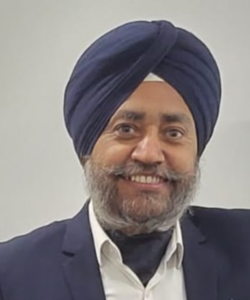
Australia
Australia
RMIT University
Title: From Biomass to Buildings: Engineering Biochar for Carbon-Negative Concrete and Circular Waste Valorisation
Abstract: The construction and waste management sectors are becoming increasingly interconnected in their shared efforts to address the growing climate and resource challenges of our time. Cement production alone contributes approximately 7–8% of global anthropogenic CO₂ emissions, while organic waste streams release substantial quantities of methane when landfilled or openly incinerated. The unsustainable exploitation of natural sand further compounds this environmental burden. Addressing these combined challenges requires integrated, scalable solutions that bridge sustainable construction practices with responsible waste management. This research presents biochar-enhanced cementitious composites as a credible and practical approach to converting organic waste into high-performance, carbon-sequestering construction materials. Biochar can be produced through a range of thermochemical conversion processes, including slow pyrolysis, fast pyrolysis, microwave pyrolysis, hydrothermal carbonisation, and gasification, each of which is assessed here for its suitability in producing construction-grade material. All five routes are examined and compared with respect to their yield, physicochemical outputs, and practical scalability. Among these, slow pyrolysis emerges as the most suitable option, producing biochar with tuneable physicochemical properties shaped by feedstock composition, heating rate, and peak temperature. Drawing on a comprehensive synthesis of over 180 peer-reviewed studies, this research shows that slow pyrolysis within the 500–700°C temperature range reliably yields biochar with the porosity, alkalinity, and carbon stability that cementitious applications demand. At optimised incorporation levels, typically 1–10 wt.% replacement of cement or fine aggregate, biochar meaningfully enhances material performance. Reported improvements include compressive strength increases of 10–40%, flexural strength gains of 15–107%, and tensile strength improvements of 5–25%, alongside density reductions of 5–20% that make lightweight structural applications achievable. Durability performance is equally impressive, with reductions in water sorptivity of up to 66%, chloride migration of approximately 36%, and autogenous shrinkage of up to 51%. These gains arise from five closely coupled microstructural mechanisms working in concert, namely matrix densification and pore filling, internal curing through controlled water release, refinement of the interfacial transition zone, pozzolanic reactivity in silica-rich biochars, and fracture deflection at the mesoscale. Beyond structural performance, biochar integration supports circular economy principles by enabling long-term carbon storage within the concrete matrix and providing a productive outlet for agricultural and municipal organic waste streams. The carbon sequestration potential of biochar is estimated at approximately 980 kg CO₂-equivalent per tonne. Despite this strong technical case, large-scale adoption remains constrained by the absence of standardised material specifications, limitations in life-cycle assessment frameworks, and inherent variability in feedstock characteristics. Addressing these barriers through standardisation, improved environmental accounting, and predictive modelling will be essential to unlocking the full potential of this technology. This research demonstrates that biochar-engineered concrete offers a scalable, integrated response at the intersection of environmental science, climate action, and waste management, enabling the conversion of organic waste into carbon-negative, high-performance, and durable infrastructure materials.

India
India
Indian Institute of Technology (IIT) Bhubaneswar
Title: Transition from Linear to Circular Economy in India: Identifying Key Challenges and Barriers
Abstract: Rapid environmental and resource depletion is a major concern these days. The United Nations Sustainable Development Goals 2015 emphasise the need to reduce pollution, prevent resource depletion, and encourage sustainable production and consumption by 2030. This priority and increasing global concerns have led to the adoption of the circular economy. As linear economic models are based on take-make-use and do not address environmental degradation,
hence attention is being given to adopting the circular economy. Adoption of circular-based economic models leads to reductions in waste generation and environmental pollution, product upgrading, improved supply chain management, and innovation. In this circular economy, resources are circulated in the production process, comprising decreasing, repairing,
reutilization, product recovery and recycling. In this production process, firms place importance on improving the efficient utilisation of raw materials and the effective use of natural resources. Afterwards, the product can be collected and either continued to be used or remanufactured; if it's not usable, it can be recovered through recycling and recirculated as a
secondary raw material. In this way, the circular business model helps to protect environmental sustainability. For that reason, it's crucial to adopt a circular economy model worldwide. However, implementing circular economy practices remains challenging, particularly in a developing country like India. Likewise, in India, there is rapid population growth, economic expansion, industrialisation, rising production and consumption, and increasing waste generation, all of which put pressure on natural resources and emphasise the need for circular economy models. Therefore, the objectives of this study are to identify the key barriers to implementing the circular business model. To achieve this objective, we have conducted a
Systematic Literature Review (SLR) from 2015 to 2026, and identified several major obstacles. Our findings reveal that the major hurdles are a lack of knowledge and customer awareness, inadequate incentives for waste collection, operational and technological issues, financial constraints, weak community participation, ineffective government policies, the absence of
management facilities, supply chain inefficiencies, and social and institutional barriers. Hence, it is essential to promote consumer awareness and education, improve management, strengthen networking, provide financial incentives for waste collectors, and provide institutional support, which may help to promote the circular economic model in India. Therefore, policymakers should focus more on an integrated approach to strengthening financial assistance, innovation, training programs, and an effective institutional framework to enable circular economy adoption in India. So, these initiatives can boost business strength, enhance innovation-oriented work, improve efficiency in resource management, and promote India's long-term economic and environmental sustainability.